Abu Simbel Temples – Sun Festival (22 Feb / 22 Oct)
At a glance
- Departs
- Daily
The short answer
Abu Simbel Temples Entry Ticket is a 1-day attraction ticket covering the Abu Simbel temples and sun festival access in Aswan, arranged through Discovery Tours Egypt.
Snapshot
Good to know
- Destinations
- Aswan
Best time to go
The special festival dates are 22 February and 22 October, when the solar event is expected to occur if weather and site conditions allow. In Aswan, temperatures are usually cooler and more comfortable from November to March, while April to September is much hotter. Festival mornings are crowded, and arrival early is advisable because access is timed and capacity is limited; Ramadan and public holidays can also affect crowd levels and local operating patterns.
02 Overview
A first look
The twin temples at Abu Simbel were carved for Ramses II in the 13th century BCE and relocated during 1964–1968 to avoid Nile flooding. On 22 February and 22 October the rising sun reaches the inner sanctuary, illuminating the seated statues.
Background
The facts
Abu Simbel in southern Egypt is a pair of rock-cut temples carved during the reign of Ramesses II in the 13th century BCE. The larger temple was dedicated to Amun-Ra, Ra-Horakhty, and Ptah, while the smaller temple honored Hathor and Nefertari. The site is part of the UNESCO-listed Nubian Monuments, recognized for both its ancient significance and its 1960s rescue and relocation during the Aswan High Dam project.
The sun festival at Abu Simbel is associated with 22 February and 22 October, when sunlight penetrates the temple axis and reaches the inner sanctuary. Access on these dates is timed and capacity is limited, so the entrance gate can be busy early in the morning. Visitors should expect security screening, controlled entry, and site-managed circulation around the forecourt, colossi, and interior chambers.
This entry ticket grants admission to the temple complex as permitted by the venue on the festival date. It does not include transport, a private guide, meals, or gratuities. Ticket delivery is arranged through Discovery Tours Egypt and sent by email as a PDF after confirmation; some venues may require a printed copy, so printing is recommended if there is any doubt.
Suited to
Is this for you?
Yes, if
- This entry ticket is suitable for travelers who want self-guided access to one of Egypt’s most important Ramesside monuments, especially visitors with a strong interest in archaeology, UNESCO sites, and solar alignment phenomena. It also suits independent travelers who prefer a straightforward admission product rather than a packaged sightseeing service.
What lingers
- 01 Attend the Sun Festival on 22 February and 22 October – sunlight reaches Abu Simbel's sanctuary, illuminating three statues.
- 02 Sunlight illuminates Ramesses II, Amun‑Re and Ra‑Horakhty inside the sanctuary; Ptah, the underworld god, stays shadowed.
- 03 Abu Simbel is about 280 km south of Aswan – road transfer typically 3.5–4 hours each way.
- 04 We arrange private early transfers or a 45‑minute domestic flight from Aswan to reduce travel time and crowds.
- 05 Part of the UNESCO Nubian Monuments; Abu Simbel was relocated 1964–1968 during the Aswan High Dam project.
- 06 Festival tickets and timed entries sell out months ahead; we recommend booking three to six months in advance.
The fine print
What's included – and what isn't
Included
- Entry ticket
Not included
- Professional Egyptologist guide, book separately if required
- Transport to and from Abu Simbel
- Meals and personal expenses
- Photography permit if applicable; photography rules vary, check at the entrance
- Gratuities
Asked & answered
Frequent questions
-
01 What is the Abu Simbel Sun Festival?
The Abu Simbel Sun Festival is a twice-yearly sunrise alignment at Abu Simbel on 22 February and 22 October. On those mornings sunlight penetrates the Great Temple's sanctuary and lights three seated figures – Ramesses II, Amun and Ra‑Horakhty – while Ptah remains in shadow. The temples were relocated in 1964–68 during the Aswan High Dam campaign and form part of the Nubian Monuments UNESCO World Heritage Site. -
02 When is the Sun Festival held and why those dates?
The festival is observed on 22 February and 22 October each year. These dates are traditionally linked to Ramesses II’s commemoration (commonly called birthday and coronation), though scholars debate the original intent. The alignment is astronomical: the temple axis was set so sunlight reaches the inner sanctuary at sunrise on those two calendar dates. -
03 Do I need a special ticket for the Abu Simbel Sun Festival?
Yes – the sunrise ceremony uses separate ceremonial tickets that are limited and allocated in advance. These are distinct from the standard Abu Simbel entrance ticket and often sell out months ahead; buyers should not assume general-entry stock will cover the ceremony. We are a licensed Egyptian tour operator and can apply for ceremonial tickets and organise transfers or overnight accommodation on your behalf. -
04 How far is Abu Simbel from Aswan and do I need to stay overnight?
Abu Simbel is approximately 280 km south of Aswan, about a 3.5–4 hour road transfer. Because the alignment happens at sunrise, most visitors either overnight in Abu Simbel or depart Aswan very early (commonly 01:00–03:00). Unlike regular day visits from Aswan, Sun Festival attendance usually requires either an overnight stay or a very early private transfer. -
05 Can I take photos or fly a drone at the Sun Festival?
Personal photography is generally permitted, but drone use is prohibited without official permits. During the sunrise ceremony authorities often restrict tripods, professional filming and flash; security screening is routine. We recommend travelling with compact camera kit and checking the exact restrictions we hold at booking time. -
06 Is Abu Simbel accessible for travellers with limited mobility?
Access around the forecourt is largely level, but temple thresholds include steps, uneven ancient stone and sandy surfaces. Entering the inner sanctuary involves steps and narrow thresholds, so wheelchair users may only be able to view from the forecourt or designated viewing areas. We can advise on practical assistance, reserved seating at the ceremony and arrange accessible vehicles, but interior access remains physically limited.
Last updated 18 May 2026 Product ID: TKT-ASW-485647
You Might Also Like
 Aswan
AswanAbu Simbel Temples, Aswan
Abu Simbel lies about 280 km south of Aswan and is reached by a 40‑minute flight or a 3.5–4 hour road transfer. As a licensed Egyptian tour operator, we arrange private early flights and timed private‑car arrivals so clients avoid coach crowds and the hottest hours. The twin sites are the Great Temple of Ramesses II and the Small Temple of Nefertari, moved to higher ground between 1964 and 1968 during an international relocation campaign and included in the Nubian Monuments UNESCO listing. Trade‑offs: a same‑day return requires an early start and either a long road journey or a small‑plane seat; shade is limited on the forecourt.
 Cairo
CairoAl-Moez Street Entry Ticket
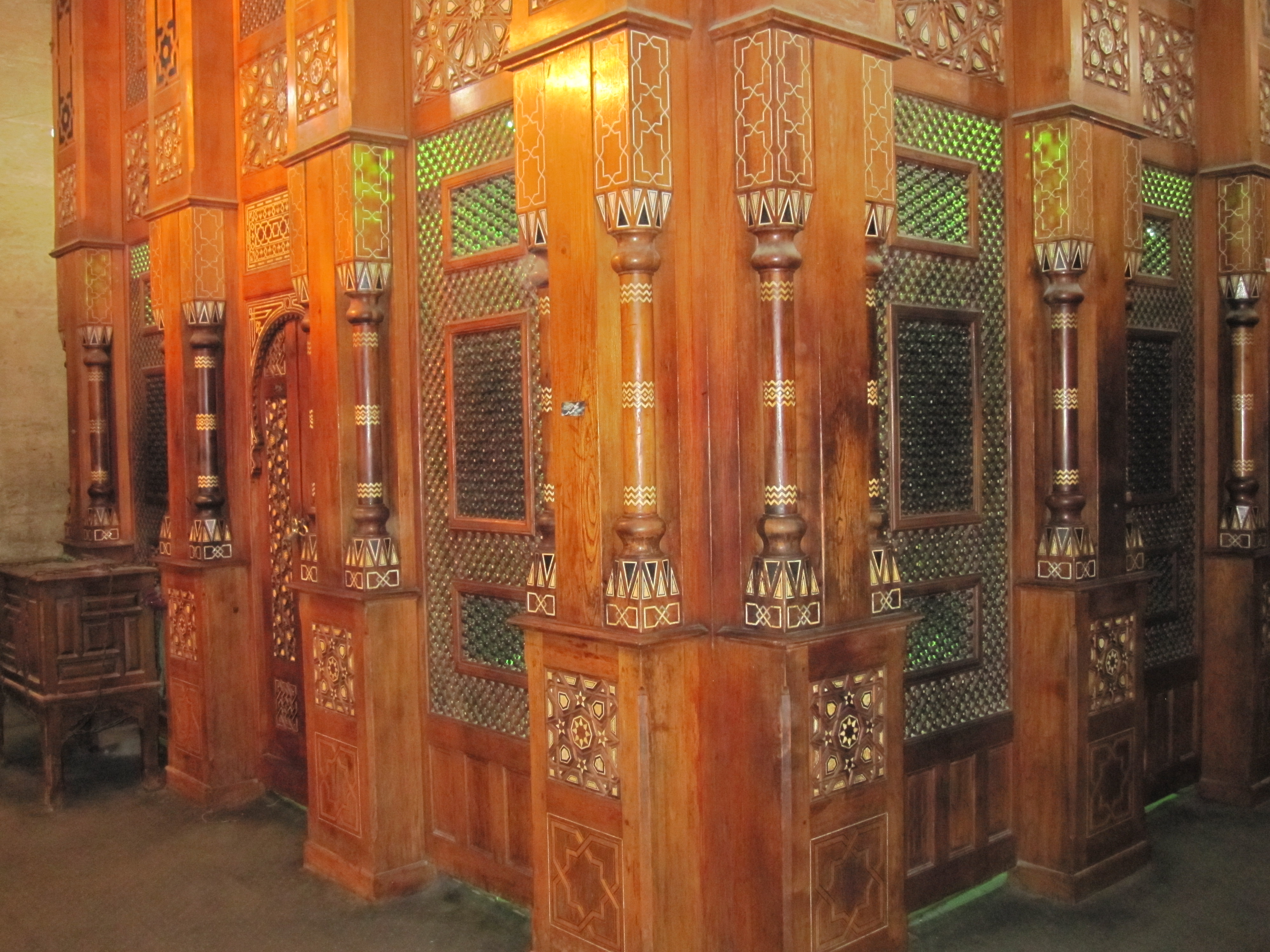
Al-Moez Street is a medieval Cairo thoroughfare lined with Fatimid and Mamluk-era monuments, gates and historic façades. This admission grants access to the pedestrianised street and its visible monuments, including views toward Bab Zuweila and the Mosque of Al-Hakim. As a licensed Egyptian tour operator, we arrange the ticket and send it to you by email as a PDF after booking. Unlike a museum admission, the street is an open historic quarter rather than a single indoor site, so visiting times are flexible but subject to seasonal opening hours and special events.
 Cairo
CairoSultan Hassan & Al‑Rifa'i Mosques, Cairo
This combined ticket covers Sultan Hassan Mosque and neighbouring Al‑Rifa'i Mosque in the Citadel area of Cairo; standard entrance fees are included. We schedule 60–75 minutes for the pair. Sultan Hassan dates from 1356–1363 and is a major Mamluk funerary complex; Al‑Rifa'i was completed in 1912 as a royal mausoleum. Our Egyptologist will explain architectural details such as monumental portals and funerary inscription panels rather than offering only surface commentary. Unlike typical coach-group stops that allow 20–30 minutes, we preserve time for photographing façades and entering Al‑Rifa'i. Expect limited shade on the forecourt, uneven stone underfoot and a modest-dress requirement.