Egypt attractions · Luxor
Luxor Attraction Tickets
The tickets that open ancient Thebes — Karnak and Luxor Temple on the East Bank, the Valley of the Kings and the great mortuary temples on the West — with which tombs are open and which carry an extra ticket.
New Kingdom · c. 1550–1070 BC
- East Bank
- Karnak · Luxor Temple
- West Bank
- Valley of the Kings
- Special tickets
- Tut · Seti I · Nefertari
- Days needed
- 2–3 for both banks
- Airport
- Luxor (LXR)
- Booking
- Bank pass + premium tombs
The lay of the land
Attractions and tickets in Luxor
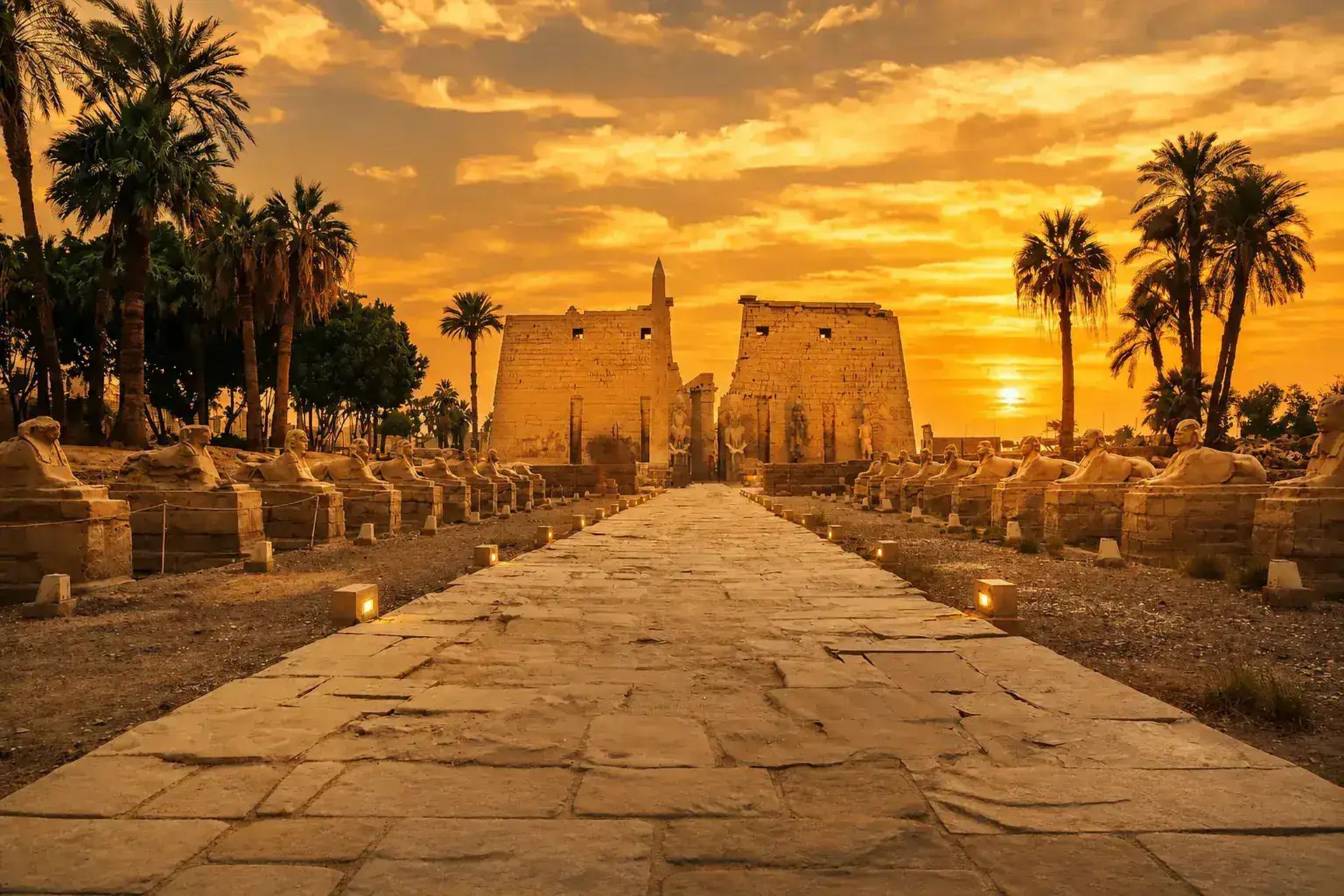
Luxor is ancient Thebes, split by the river. The East Bank is the side of the living — Karnak and Luxor Temple, vast and open after dark. The West Bank is the side of the dead — the Valley of the Kings, the Valley of the Queens, and a line of mortuary temples along the desert edge. The Valley ticket covers three tombs of your choice, with the finest — Tutankhamun, Seti I, Nefertari — sold as separate premium tickets. Here's what's open, what each costs, and which to spend the extra on.
New Kingdom · c. 1550–1070 BC
The capital of the empire
For five centuries, when Egypt was at its richest and reached its furthest, this was the centre of the world. Ancient Thebes was the New Kingdom capital, and its pharaohs poured the spoils of empire into the temples of the living on the East Bank and the tombs of the dead on the West.
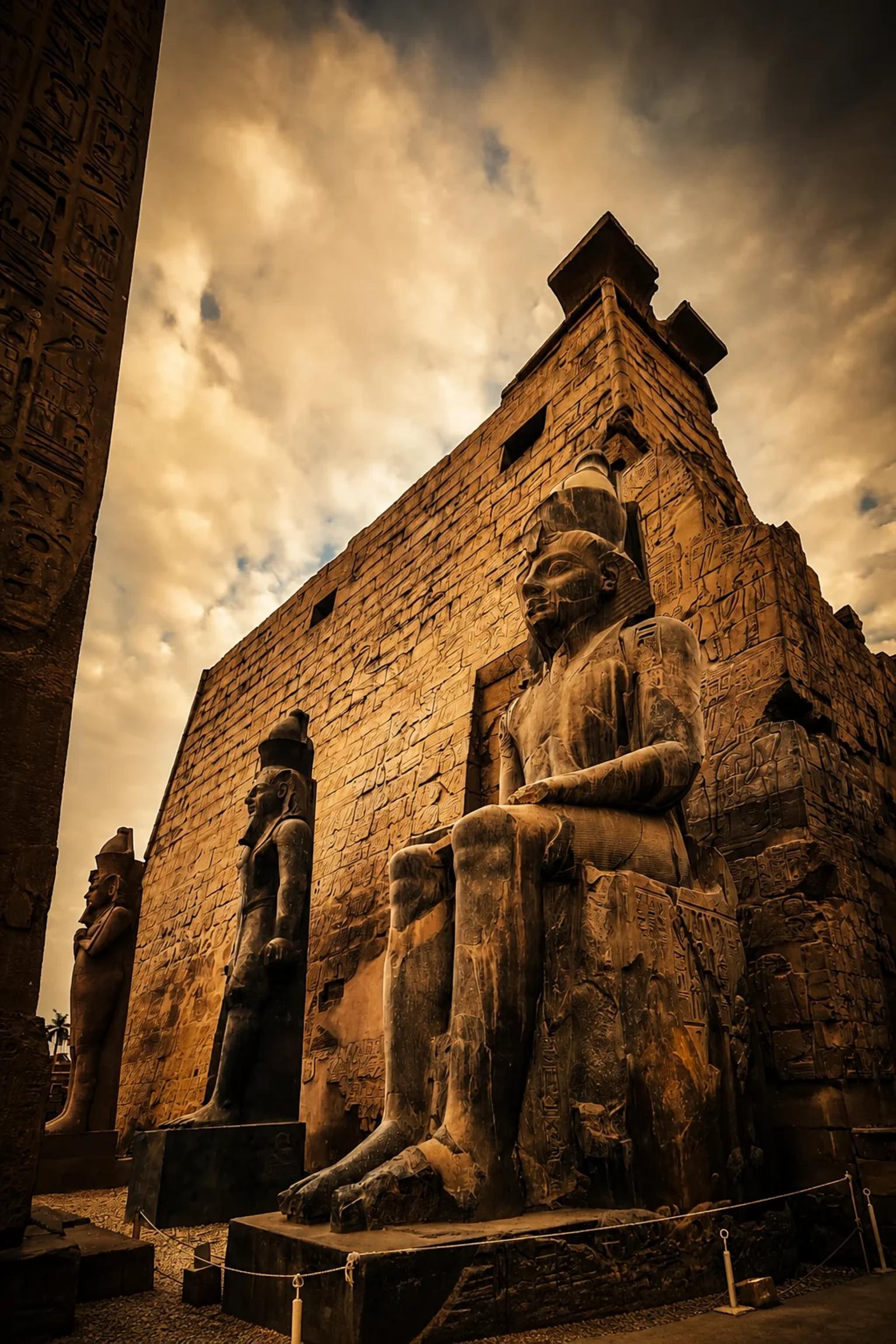
Karnak grew over roughly two thousand years into the largest religious complex ever built; Luxor Temple anchored the town. Across the river the kings gave up pyramids for tombs cut deep into the Valley of the Kings, and lined the desert edge with mortuary temples like Hatshepsut's and the Ramesseum. Tutankhamun, Seti I and Ramses II all lie here. Nowhere holds more of ancient Egypt in one place.
Find your bearings
Where Luxor sits on the Nile
Egypt reads south to north along one river, oldest sites upstream to newest down at the Delta and the sea. Luxor is highlighted below; tap any other city to cross to its sites and tickets.
The whole story, hub and mapSite by site
The top historical sites in Luxor
What each site is, what is worth your time inside, and the entry ticket booked right there.
 East Bank
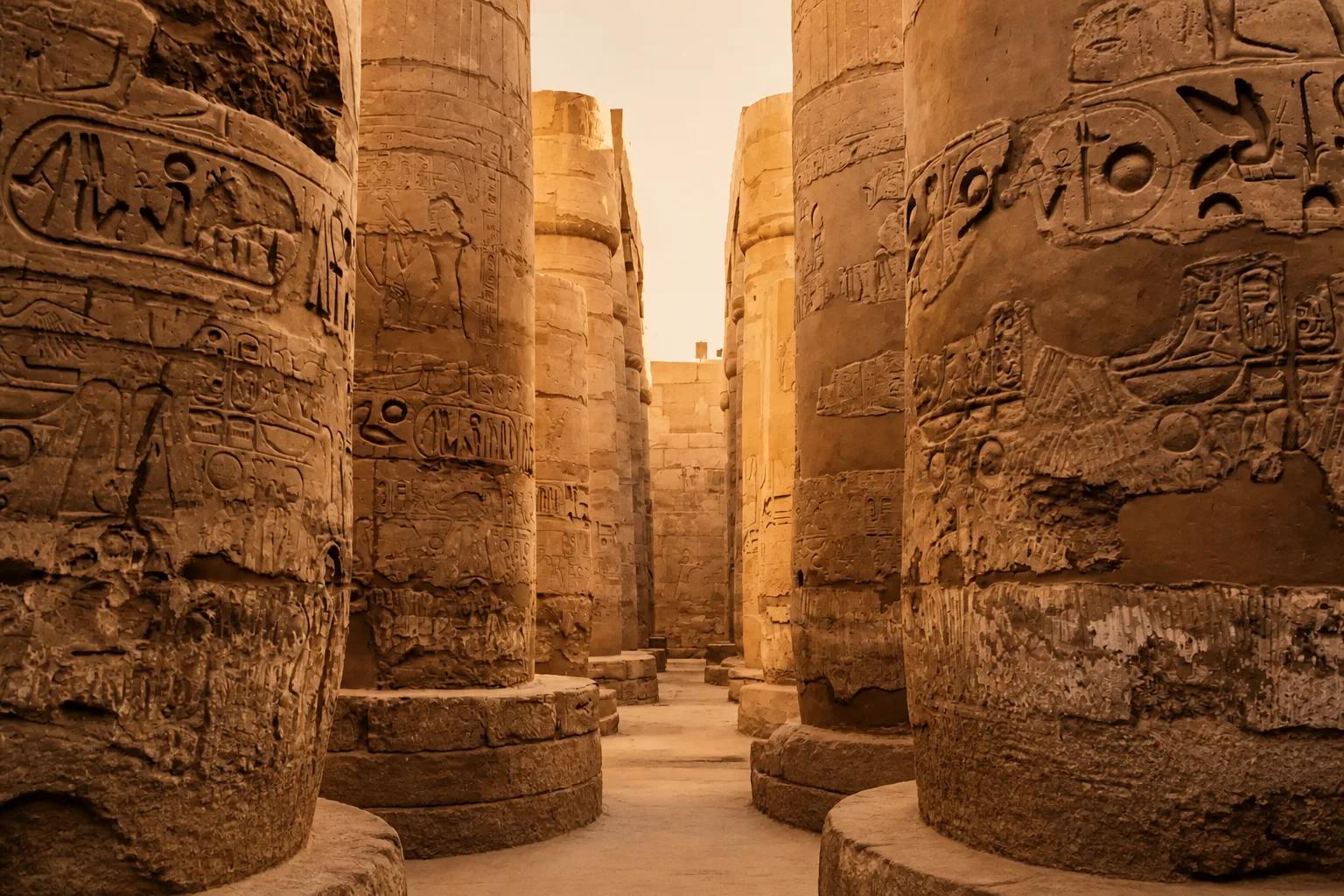
Karnak Temple
The largest religious complex of the ancient world, built over two thousand years. The hypostyle hall of 134 giant columns and the sacred lake are the set pieces — allow a long morning.
Book the entry ticket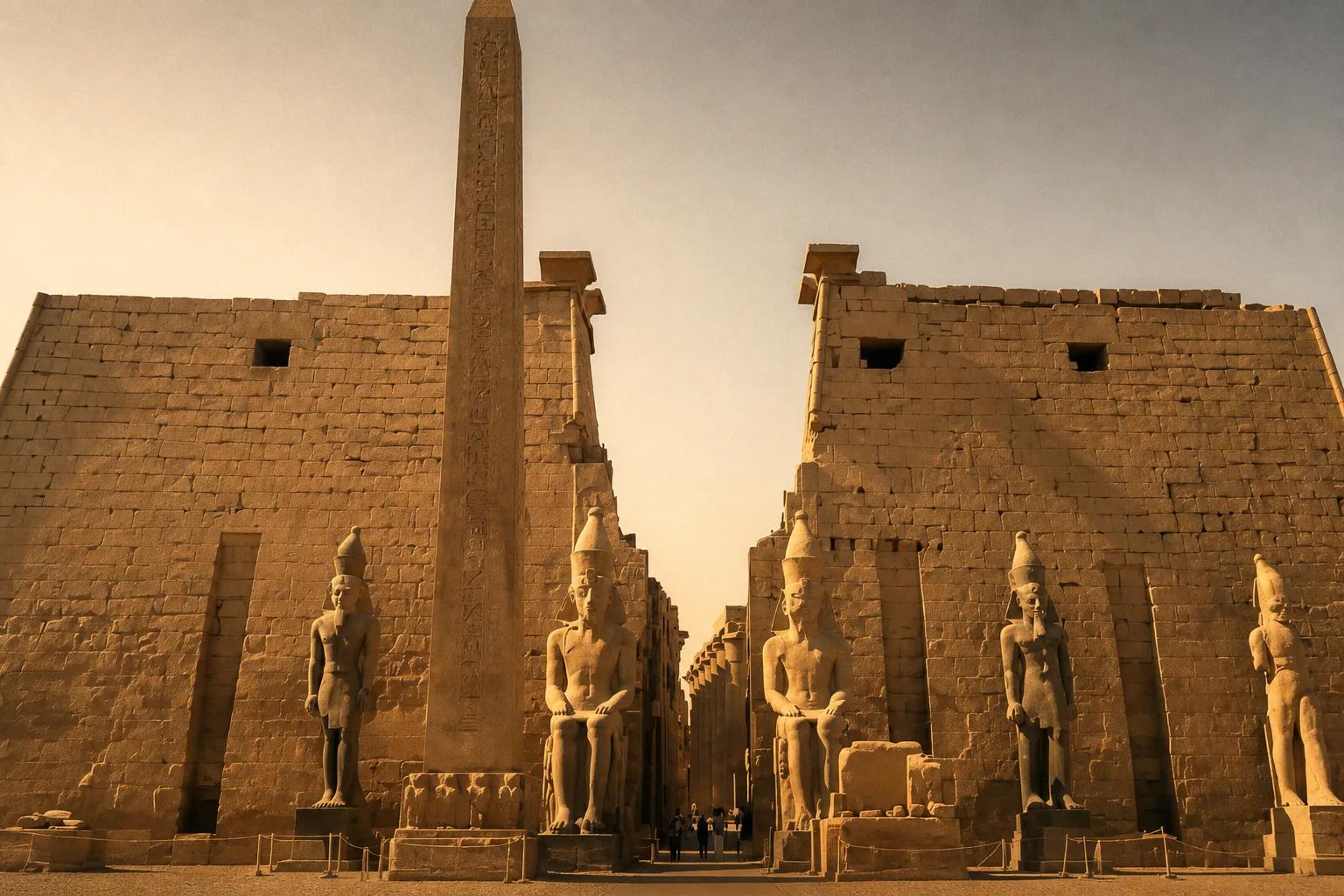 East Bank
Luxor Temple
The town temple on the corniche, linked to Karnak by the restored avenue of sphinxes. Walkable from the East Bank hotels and finest floodlit after dark.
Book the entry ticket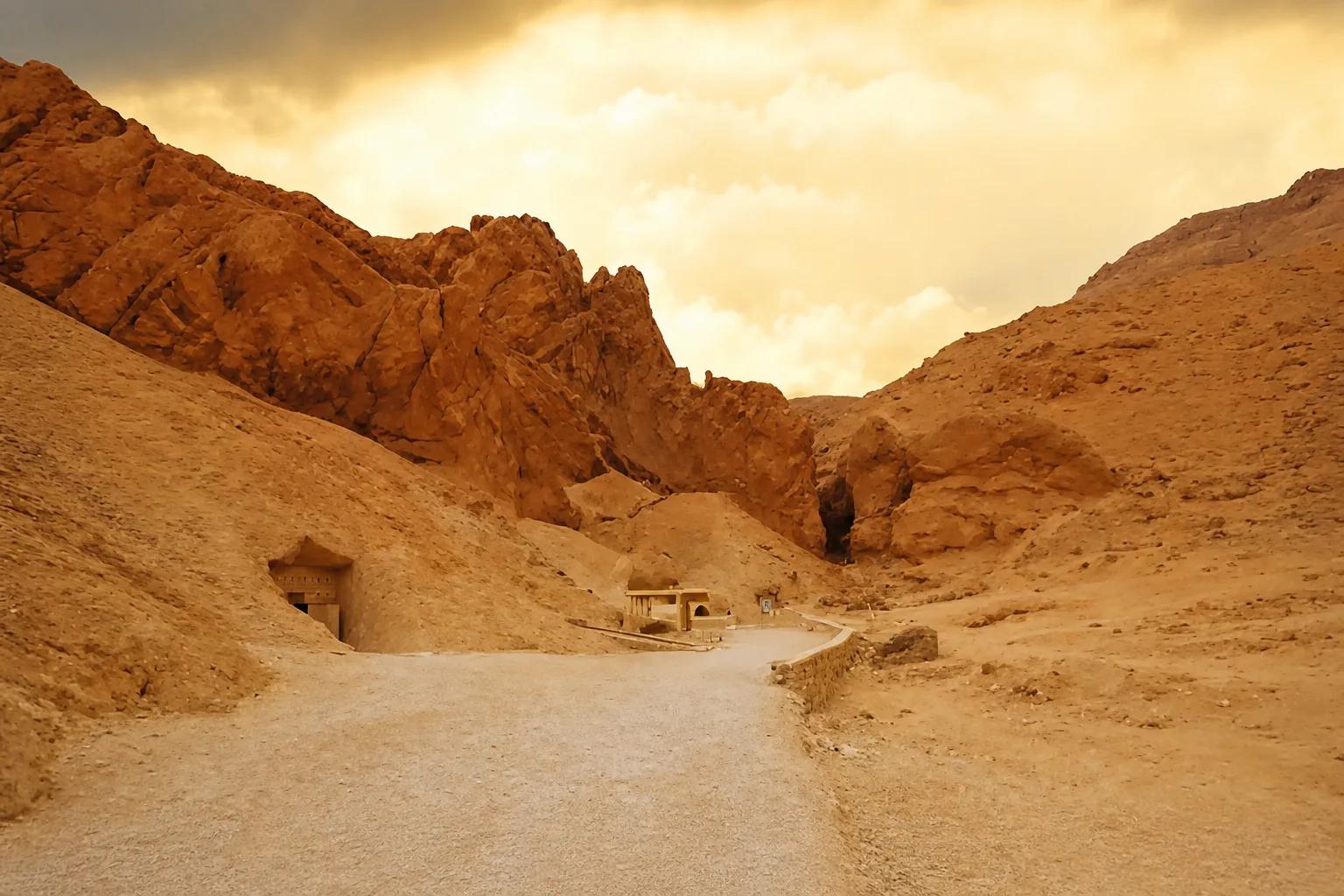 West Bank
Valley of the Kings — three tombs
The base ticket into the royal valley, good for any three of the open tombs. Which are open rotates to spread the wear — we tell you the best of the day before you go.
Book the entry ticket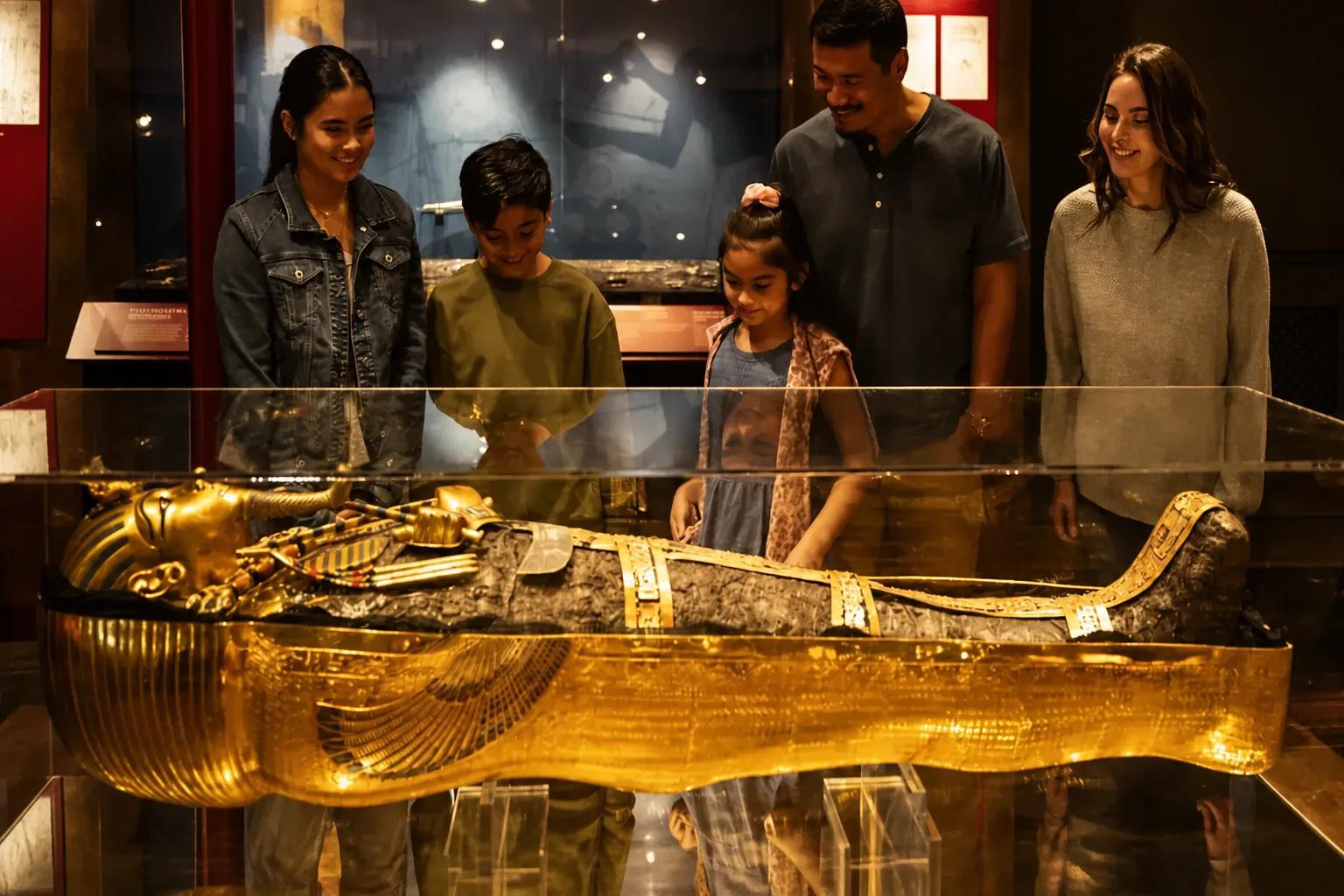 West Bank
Tomb of Tutankhamun (KV62)
The small, famous tomb where the intact treasure was found, the king himself still lying inside. A separate premium ticket on top of the valley entry, and worth it for the story.
Book the entry ticket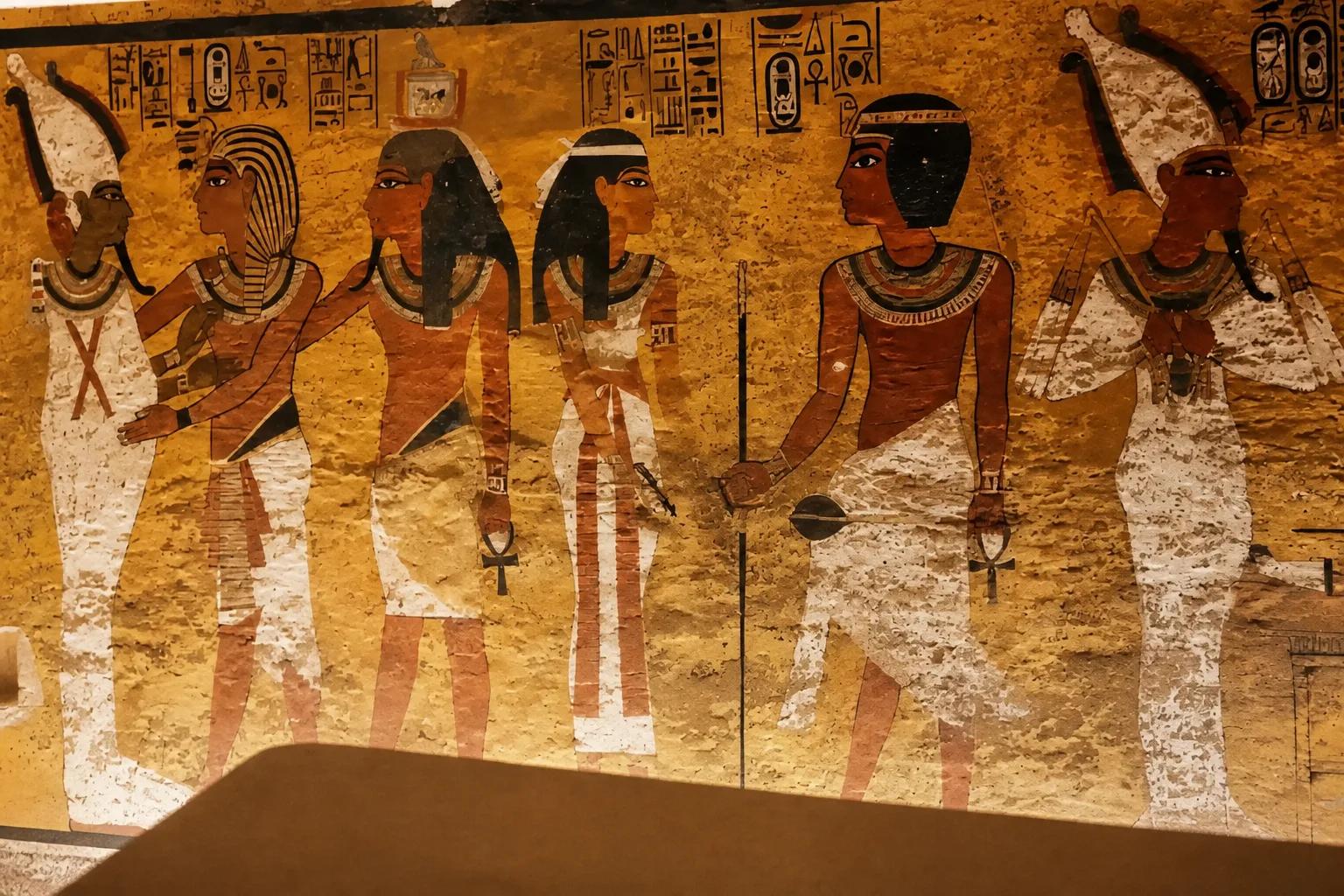 West Bank
Tomb of Seti I (KV17)
The longest, deepest and most beautifully carved tomb in the valley, reopened after restoration. The most expensive ticket here, and for many the finest single thing on the West Bank.
Book the entry ticket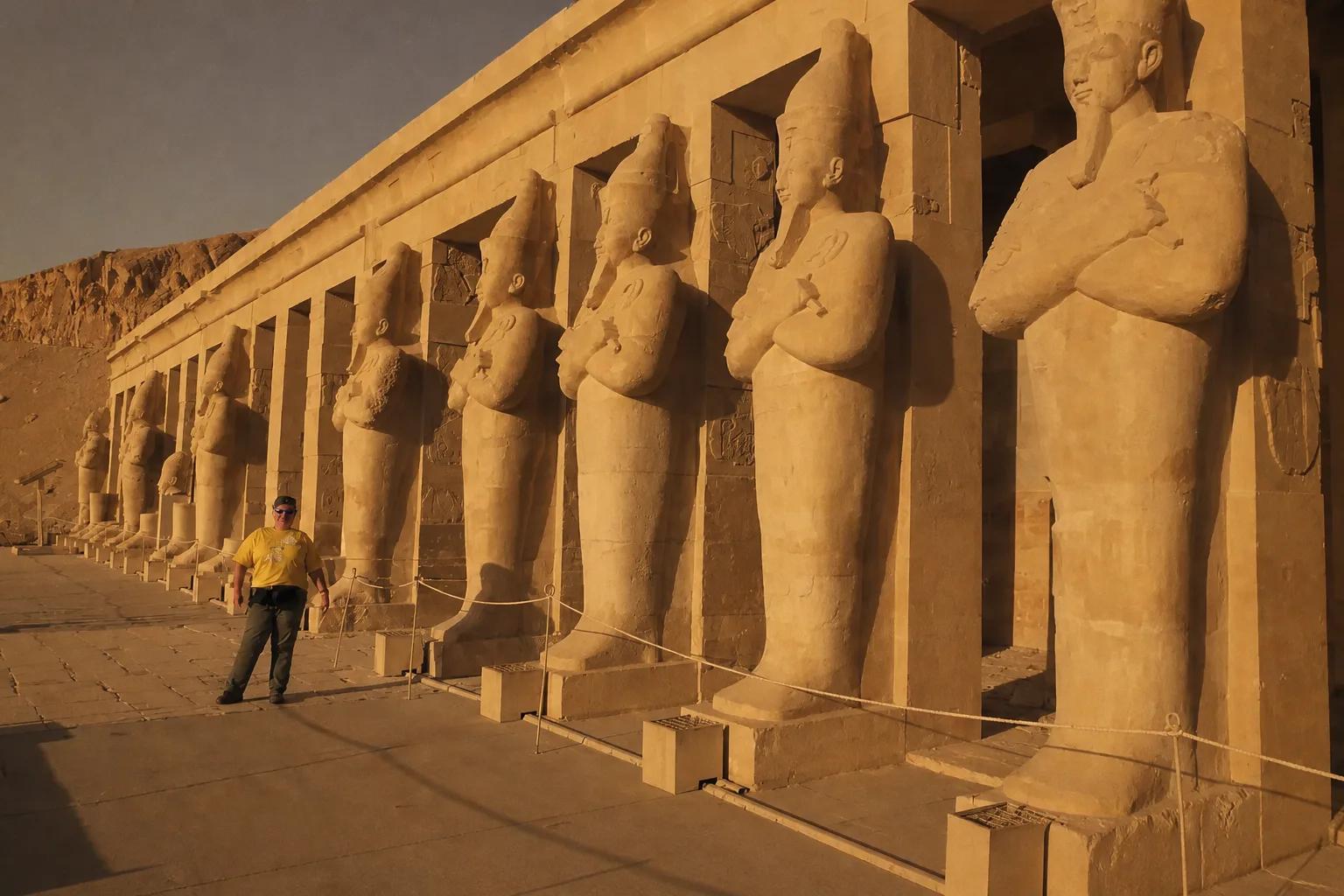 West Bank
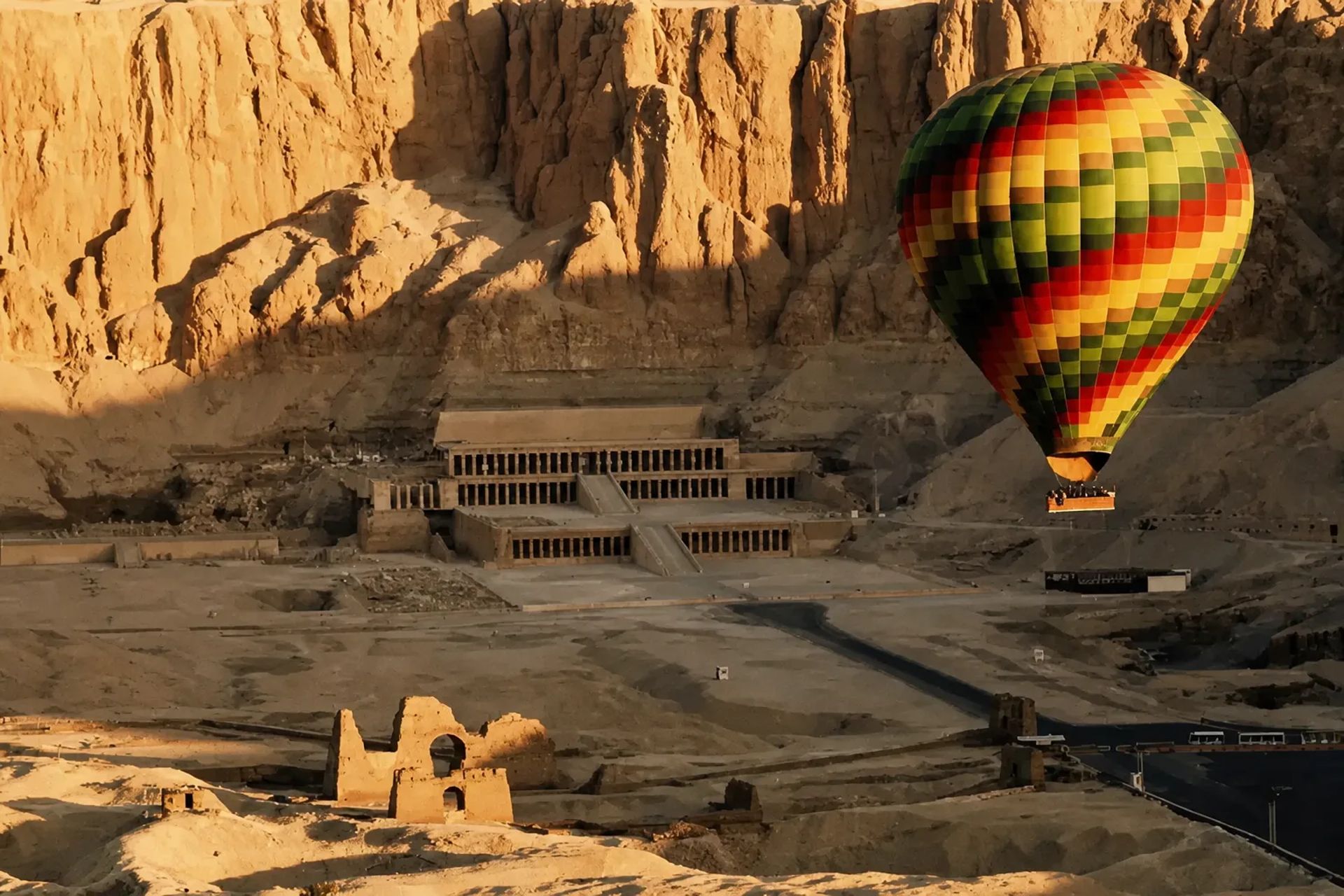
Temple of Hatshepsut (Deir el-Bahari)
The terraced mortuary temple of Egypt's great female pharaoh, rising in three colonnaded tiers against the cliff. The most striking silhouette on the West Bank.
Book the entry ticket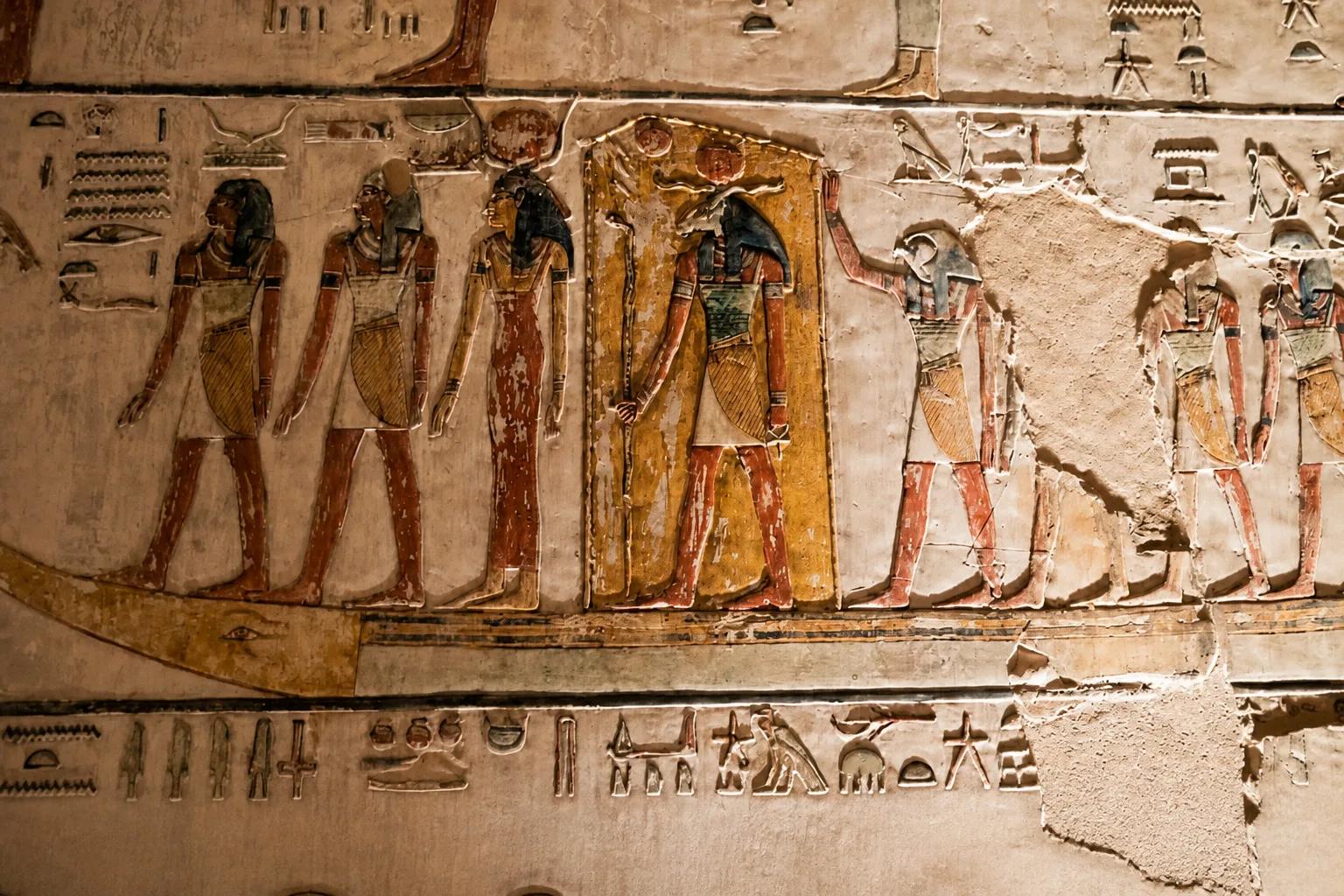 Valley of the Queens
Tomb of Nefertari
The most exquisitely painted tomb in Egypt, its colours almost untouched. Numbers and minutes inside are strictly capped to protect it, and the premium ticket is high — but unmatched.
Book the entry ticket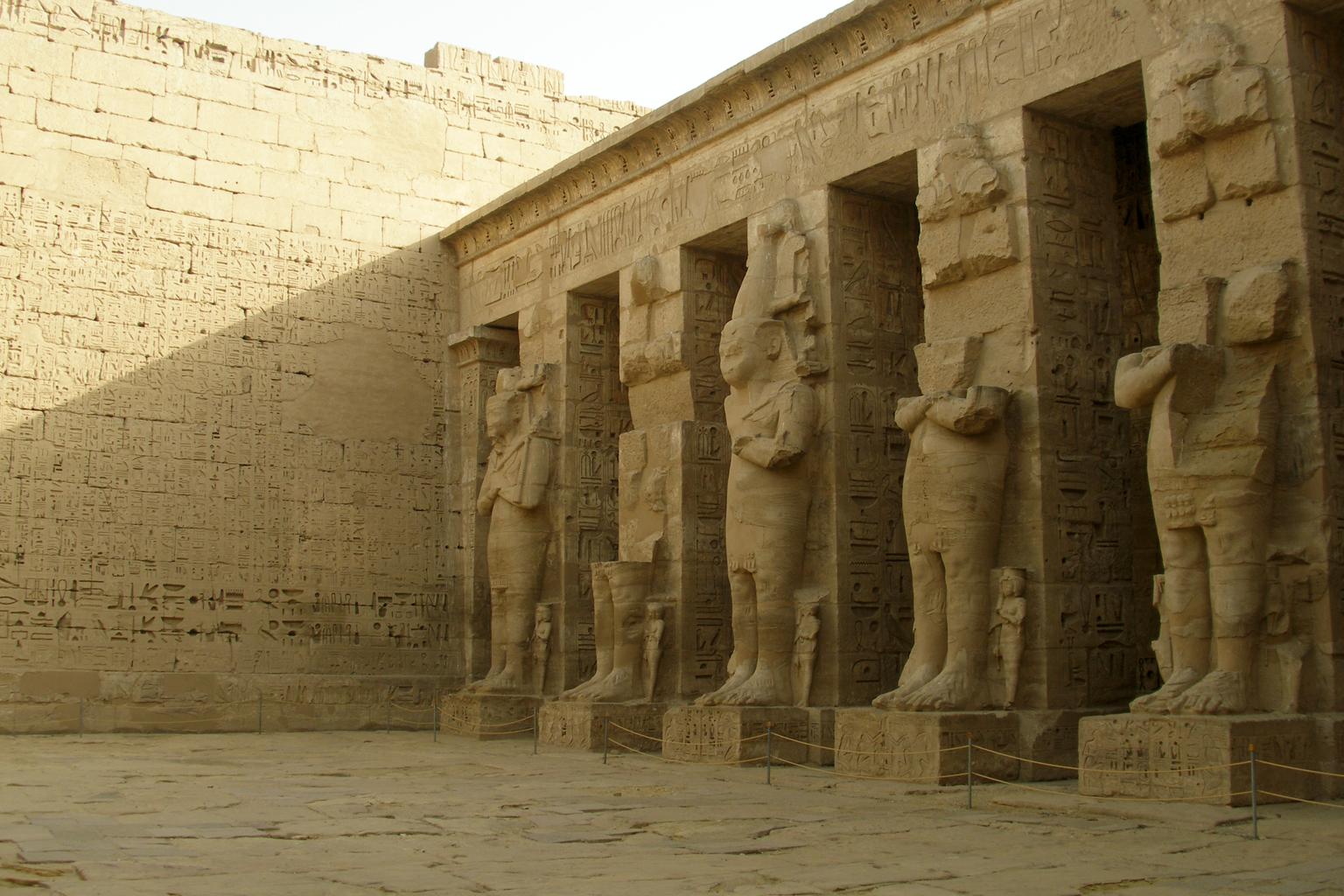 West Bank
Medinet Habu
The mortuary temple of Ramses III, the best-preserved of the great West Bank temples, its painted reliefs and battle scenes still vivid and far quieter than Karnak.
Book the entry ticket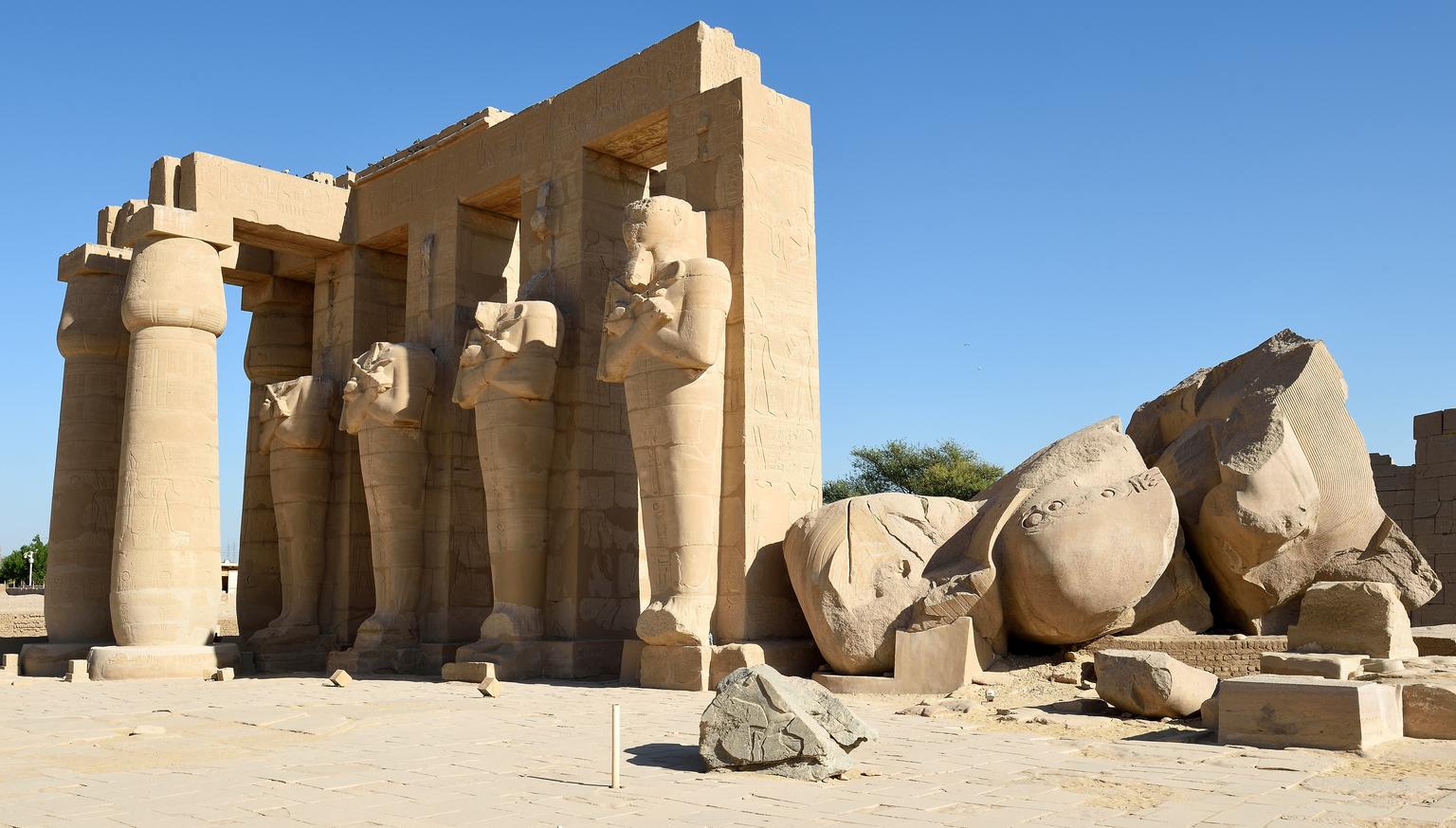 West Bank
The Ramesseum
The mortuary temple of Ramses II, with the toppled colossus that gave Shelley his Ozymandias. Romantic, ruined and usually empty.
Book the entry ticket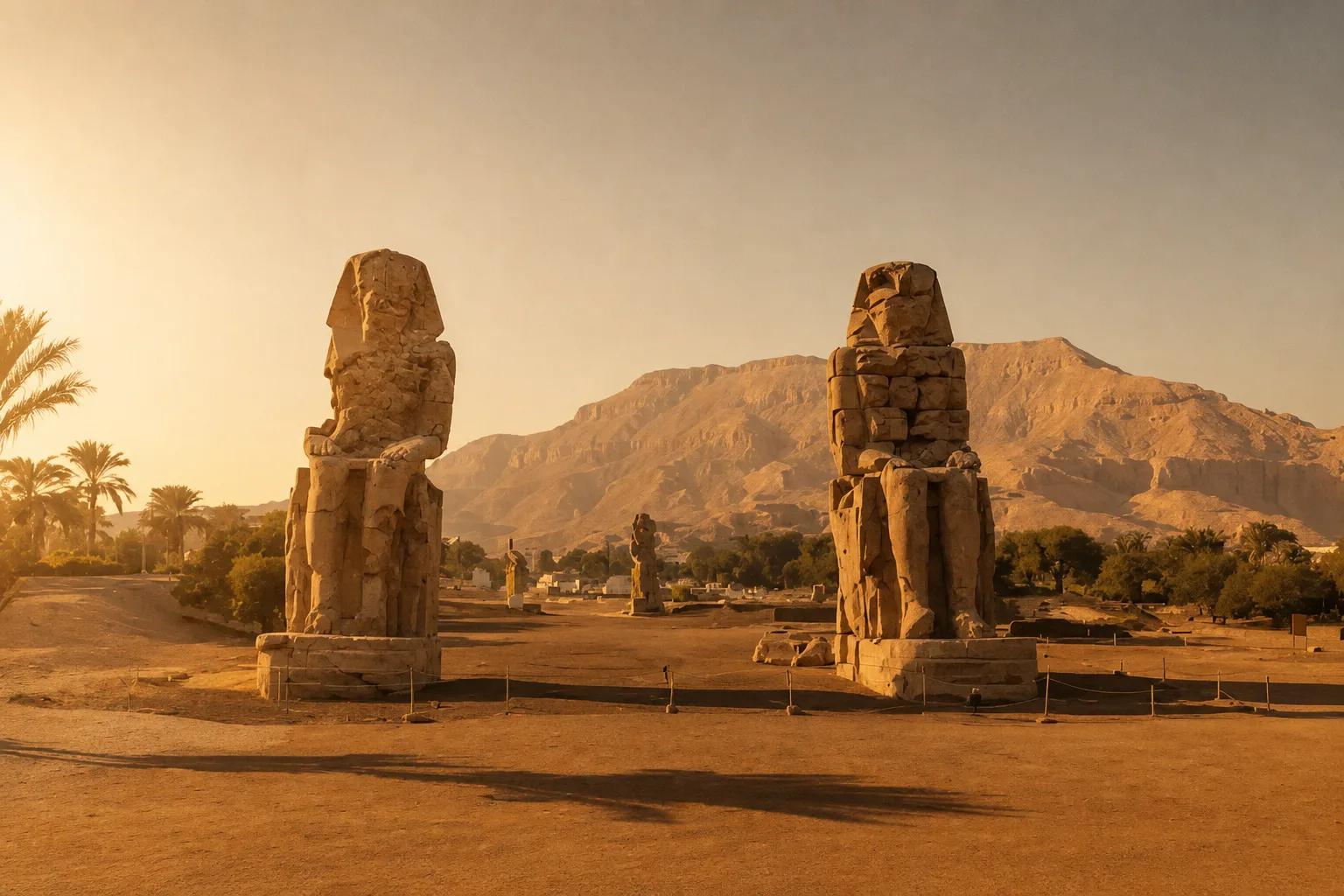 West Bank
Colossi of Memnon
The two seated giants of Amenhotep III that once fronted a vanished temple — the free roadside stop everyone passes on the way into the West Bank.
Book the entry ticket East Bank
Luxor Museum
A small, beautifully lit museum on the corniche — a sharp, uncrowded counterpoint to Cairo, with statuary from the Theban temples shown at its best.
Book the entry ticketEvery other Luxor ticket we book
Before you book
How Luxor tickets work
How Luxor tickets work, before you book.
The valley ticket is three tombs, your choice
Standard entry to the Valley of the Kings covers any three of the tombs open that day. The open set rotates to limit wear, so the right three change — we know which to aim for on your date.
The best tombs cost extra
Tutankhamun, Seti I and Nefertari sit outside the three-tomb ticket as separate premium entries — Seti I and Nefertari the priciest in Egypt. They're worth it; we tell you which to spend on and book it ahead, as Nefertari in particular is capped tightly.
Photography and the heat
A photo pass is sold for the valley, and some premium tombs ban cameras entirely. And the West Bank bakes — the tombs and temples are far better in the cool of opening time, before the cruise crowds cross the river.
Two banks, two days
Karnak and Luxor Temple fill an East Bank day; the valley and the temples a West Bank one. Squeezing both into one day means rushing the things you came for — we spread them so each gets its morning.
The organised way
Or let us run Luxor for you
Every ticket on this page is one we can book for you. Most travellers go a step further: a private day tour with a licensed Egyptologist and all entrance fees included, the hotel sorted and the airport handled. Cairo · Luxor · Aswan · Hurghada · Marsa Alam · Sharm El Sheikh, on the ground since 1988.
Guided day tours in Luxor
Private tours led by a licensed Egyptologist, with every entrance fee included. The sites on this page, handled end to end.
Luxor day toursWhere to stay in Luxor
Hand-picked Luxor hotels at our net rates, matched to how you want to spend your mornings.
Luxor hotelsPrivate airport transfers
A flight-tracked meet-and-greet from the airport to your hotel door, with a driver who knows the run.
Airport transfersNile cruise packages
Add a Luxor to Aswan cruise with the temples, full board and an Egyptologist built into the sailing.
Cruise packagesCommon questions
Luxor tickets, answered
01How does the Valley of the Kings ticket work?+
The standard ticket lets you enter any three of the tombs open on the day you visit. Which tombs are open rotates to share the wear, so the available three change over time. The most famous — Tutankhamun, Seti I and Nefertari in the nearby Valley of the Queens — aren't in the three; they're sold as separate premium tickets on top. We book the base ticket and steer you to the best of the open tombs.
02Is the Tomb of Seti I or Nefertari worth the extra ticket?+
For many travellers, yes — they're the two finest painted tombs in Egypt. Seti I is the longest and most deeply carved in the Valley of the Kings; Nefertari, in the Valley of the Queens, has the most vivid surviving colour anywhere. Both carry high premium tickets, and Nefertari caps visitor numbers and minutes inside. If you see one special tomb in Luxor, make it one of these — we hold the ticket ahead.
03Do I need separate tickets for Karnak and Luxor Temple?+
Yes — Karnak and Luxor Temple are two sites on the East Bank, each with its own entry. Karnak is the vast complex north of town; Luxor Temple sits on the corniche and is at its best floodlit after dark. We book both and, if you'd like, add the Karnak sound-and-light show in the evening.
04How many days do I need to see Luxor's sites?+
Two full days is the comfortable minimum — one for the East Bank (Karnak and Luxor Temple), one for the West Bank (the Valley of the Kings, Hatshepsut and a mortuary temple or two). A third day lets you add a dawn balloon, the Valley of the Queens or a temple like Dendera without rushing. Many travellers arrive by Nile cruise and split the banks across their stop.
05Can you book Luxor tickets with an Egyptologist guide?+
Yes — we book every site on this page, secure the capped premium tombs ahead, and add a licensed Egyptologist who reads the reliefs and knows which of the rotating tombs are open and worth your three. Tell us your dates and we send one plan for both banks, rather than a stack of tickets.
Tickets & guides
Plan your Luxor sites
Tell us your dates and whether you'd like the premium tombs, and we hold the East and West Bank tickets, secure Seti I or Nefertari ahead, and put an Egyptologist on both banks with you. Cairo · Luxor · Aswan · Hurghada · Marsa Alam · Sharm El Sheikh, on the ground since 1988.