First-time visitor
7–10 days- Cairo2–3 nights
- Luxor2 nights
- Nile cruise4 nights
The complete Egypt guide · since 1988
Six regions, five thousand years, one continuous river. This is how our Egyptologists piece them together – from the Giza plateau to the coral edge of the Red Sea.
Where to begin
The Pharaonic plateau at Giza. The temple corridor of the Nile Valley. The Nubian south around Aswan. The coral arc of the Red Sea. The vast quiet of the Western Desert. And the Mediterranean memory of Alexandria. Knowing which of these fit your time and your temperament is the whole of the planning – the rest is just sequence.
We've worked every one of them since 1988. Our guides don't only know the monuments – they know which temple earns two hours and which earns two days, where to catch the sunset from the local side, and which Nile-view room ends up on every camera roll.
Egypt at a glance
The Nile runs the length of the country like a spine – the ancient sites string along it from Cairo to Abu Simbel. The coast and the desert branch off either side. Tap any place to open its guide.
The six regions
Each region carries its own dedicated guide – open one to see what's there and how long to give it.
 01
01Pyramids · Sphinx · Grand Egyptian Museum
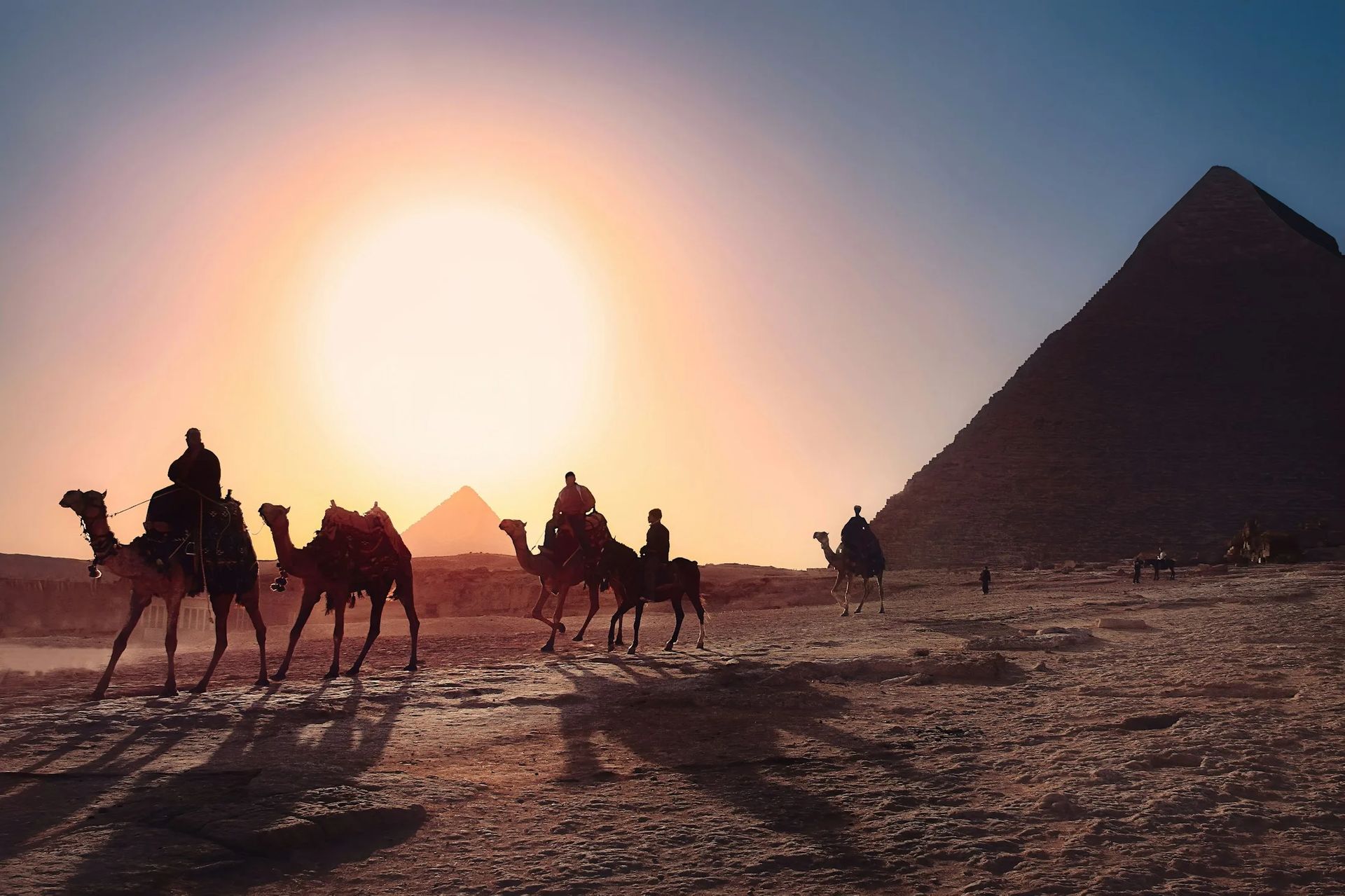
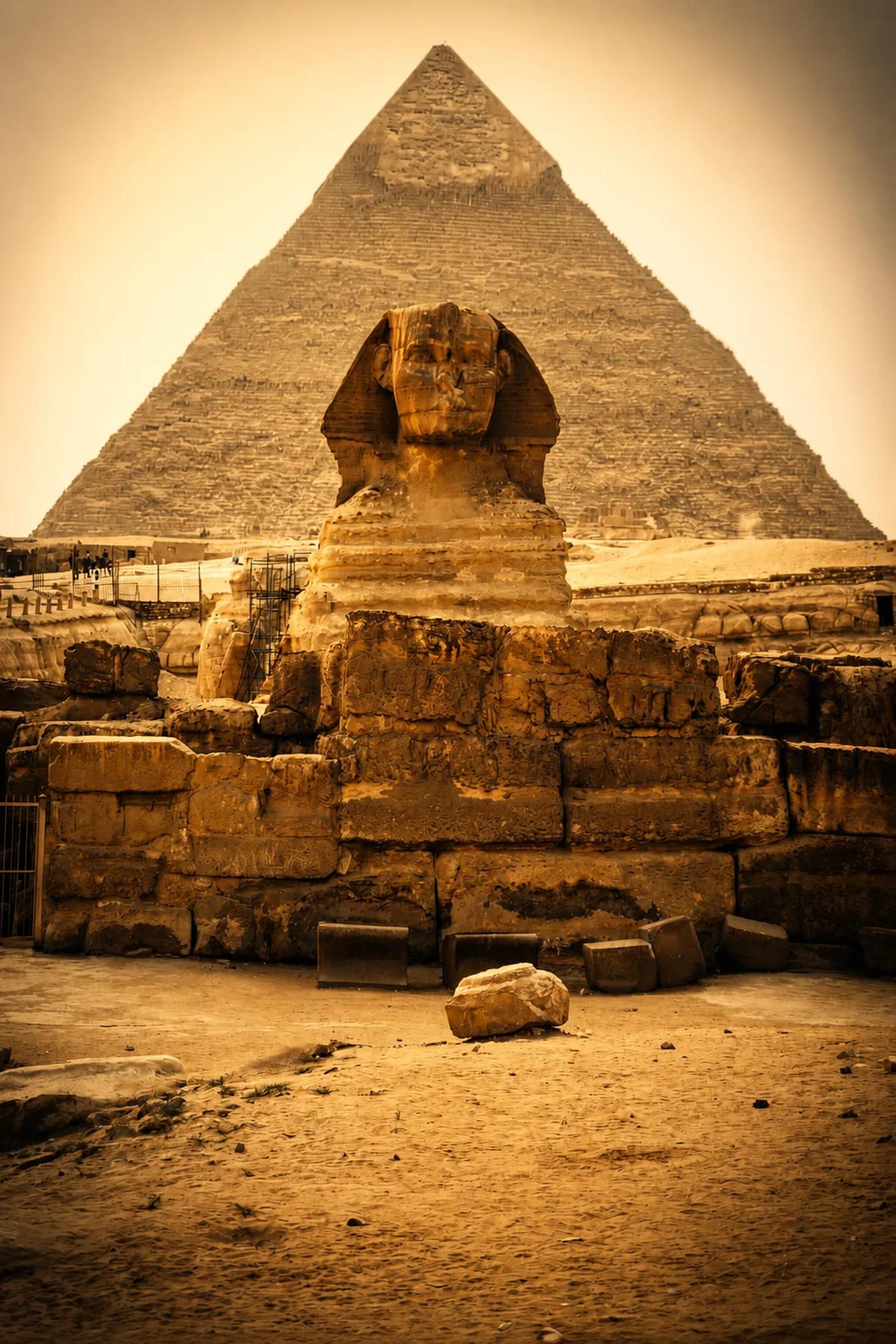
Two millennia stacked in one city. The Pyramids of Giza sit on the western edge, the Grand Egyptian Museum on the plateau above them, and a labyrinth of mosques, gates and bazaars fills medieval Cairo to the east.
Best for · First-timers & culture seekers
Explore Cairo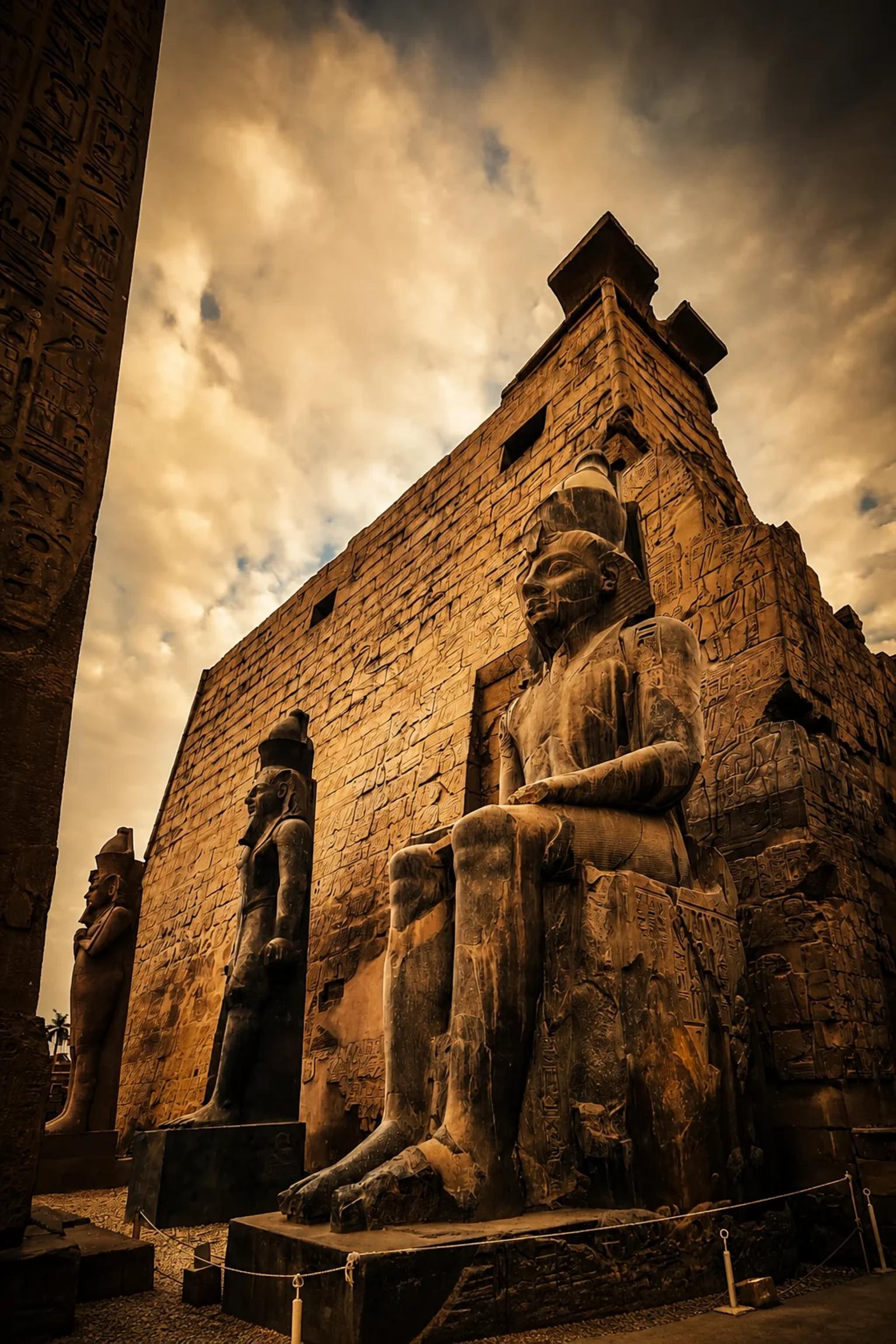 02
02Karnak · Valley of the Kings · Medinet Habu
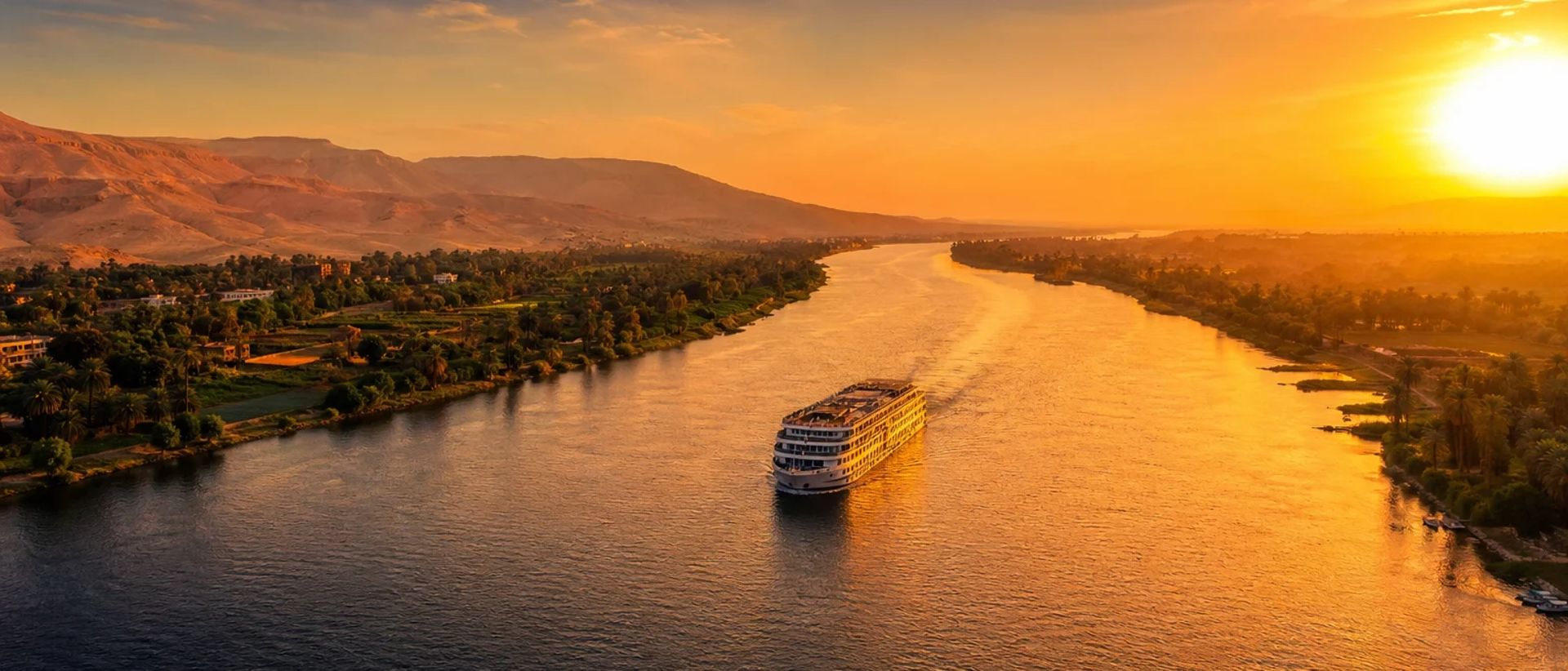
Ancient Thebes, and the largest open-air museum on earth. Karnak and Luxor Temple anchor the East Bank; the West Bank hides the Valley of the Kings, the Valley of the Queens, and the colonnades of Medinet Habu.
Best for · Archaeology & temple enthusiasts
 03
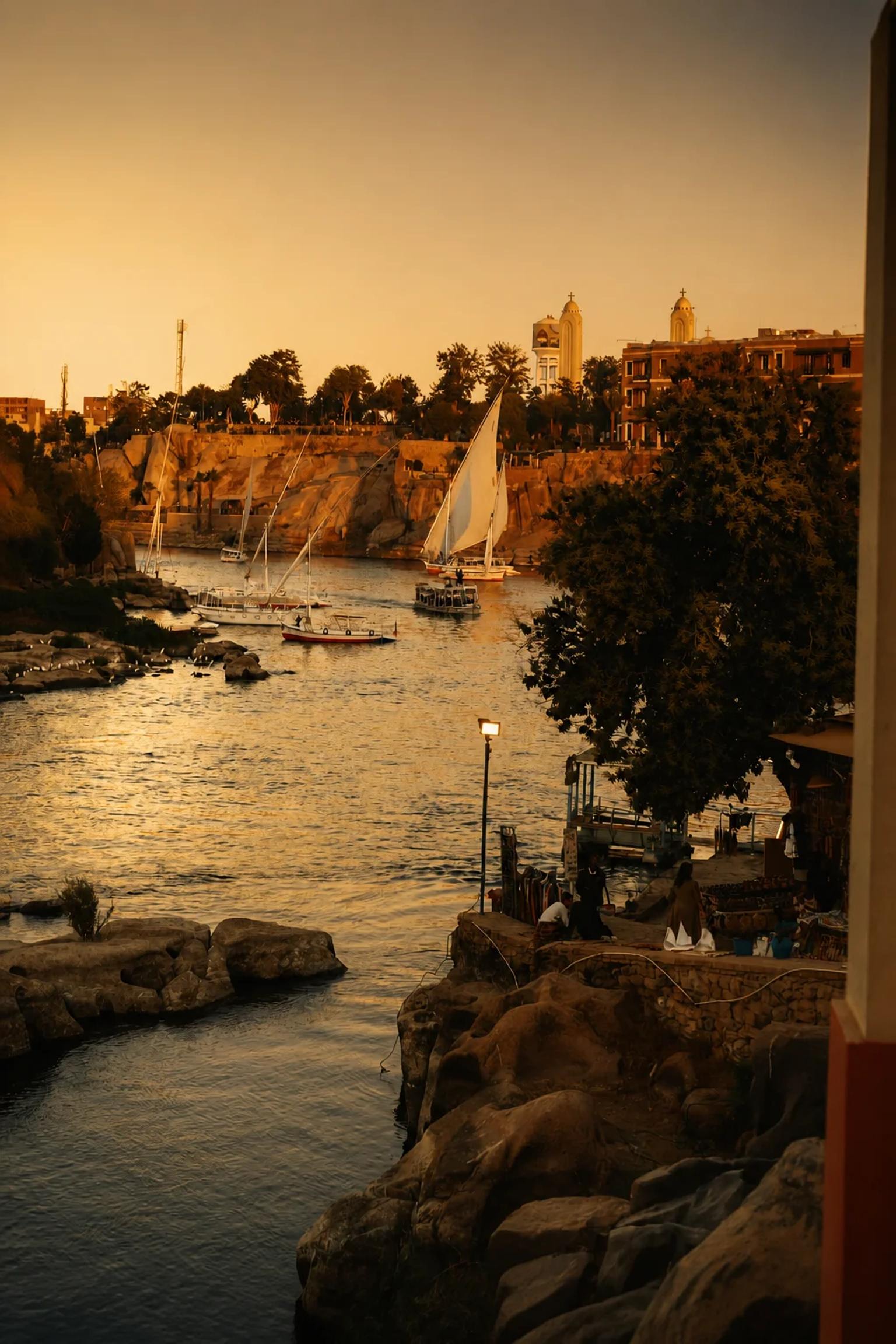
03Philae · Nubian villages · Abu Simbel
The southern anchor of the Nile cruise. Philae rises from the reservoir at dusk, painted Nubian houses line the west bank, and a 45-minute flight south reaches Abu Simbel – Ramses II's mountain carved into a temple.
Best for · Cruise end-point & Abu Simbel
 04
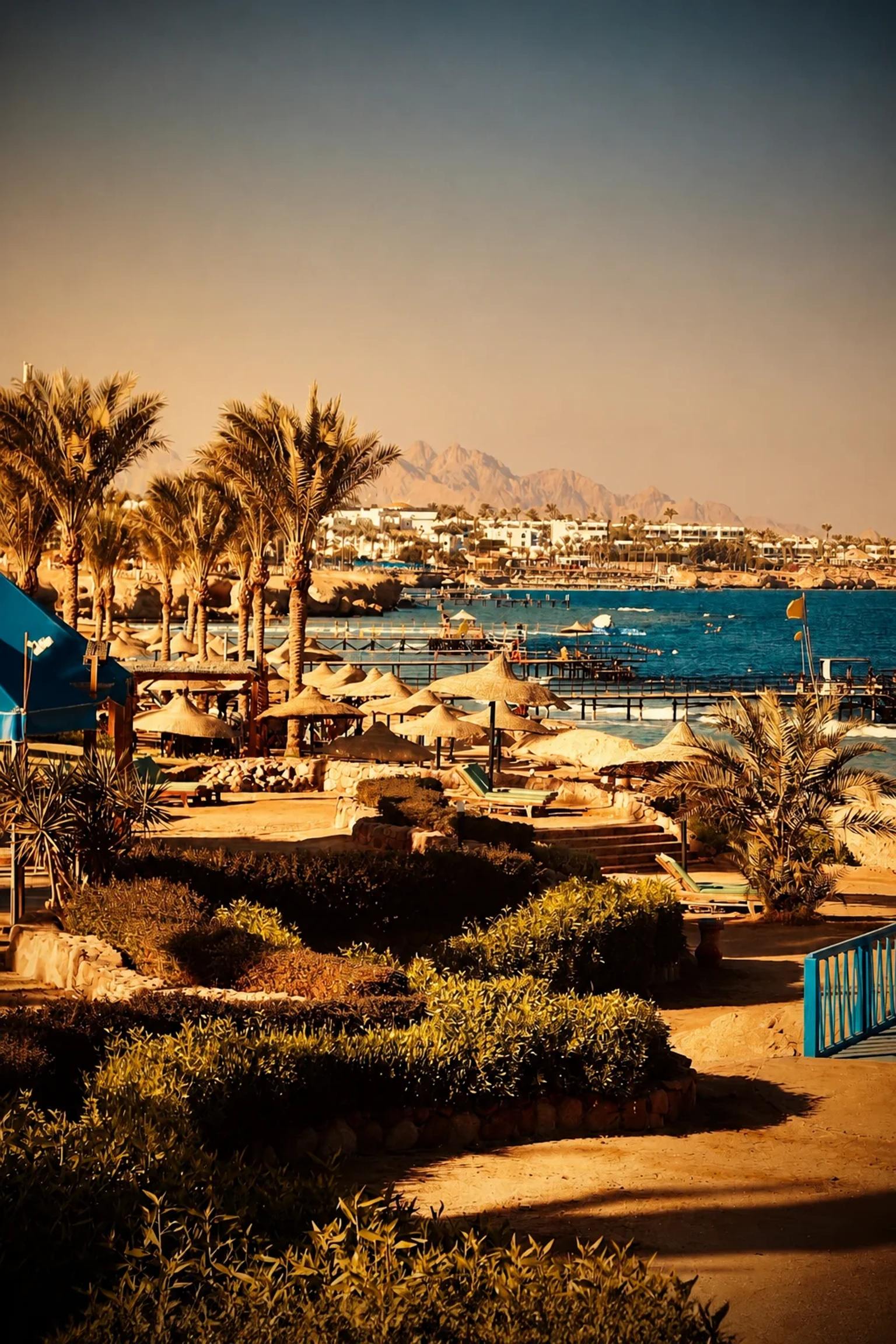
04Hurghada · Marsa Alam · reef diving
Twelve hundred kilometers of coast over some of the world's clearest reef. Hurghada is 45 minutes from Luxor's airport; Marsa Alam, further south, trades nightlife for dugongs, house reefs and quiet.
Best for · Beach finale after a Nile tour
 05
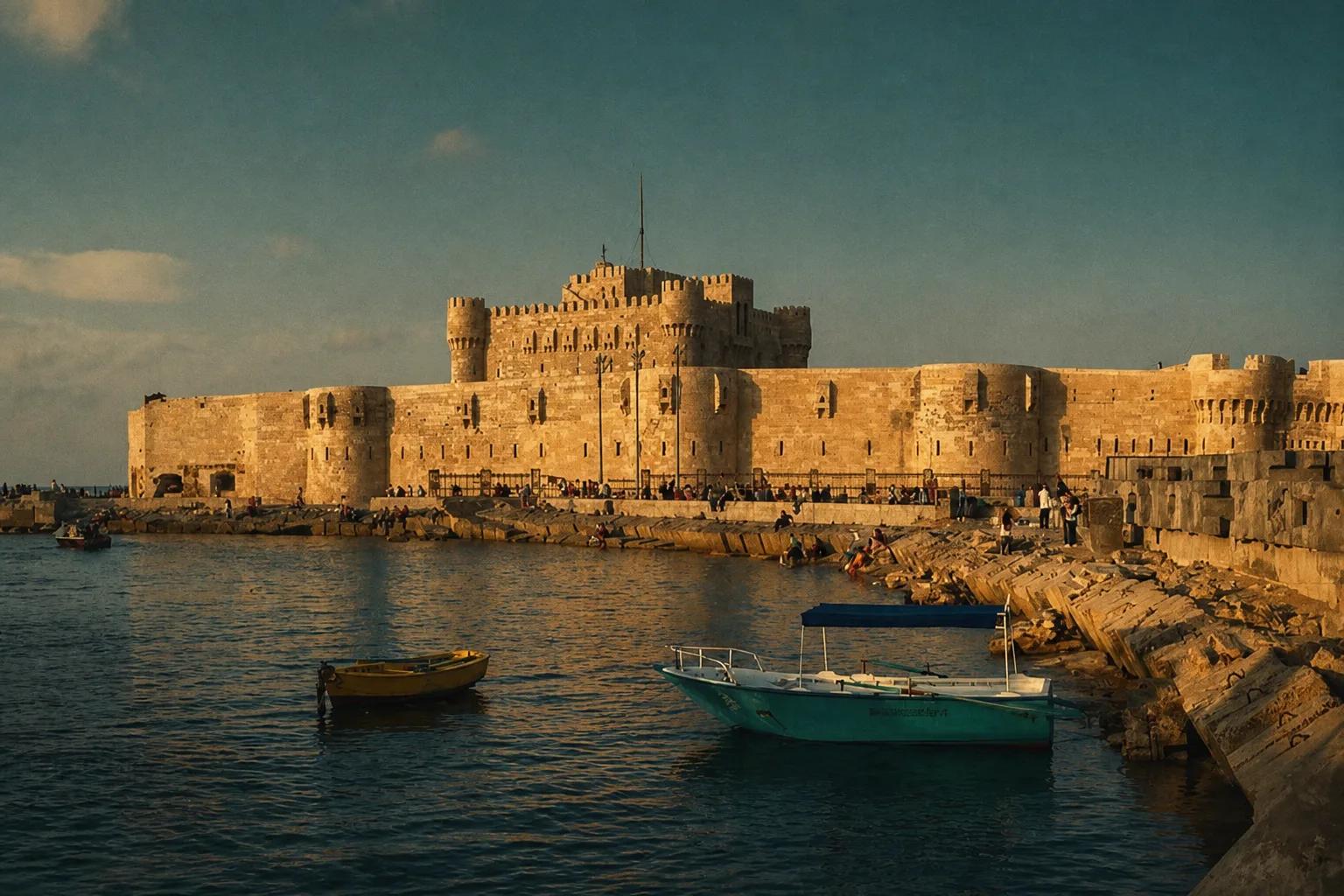
05Bibliotheca · Catacombs · the Corniche
Alexander's Mediterranean capital, two hours from Cairo by fast train. The Bibliotheca Alexandrina, the Catacombs of Kom el-Shoqafa and a salt-air corniche make it the natural bookend to a Cairo stay.
Best for · Overnight add-on from Cairo
 06
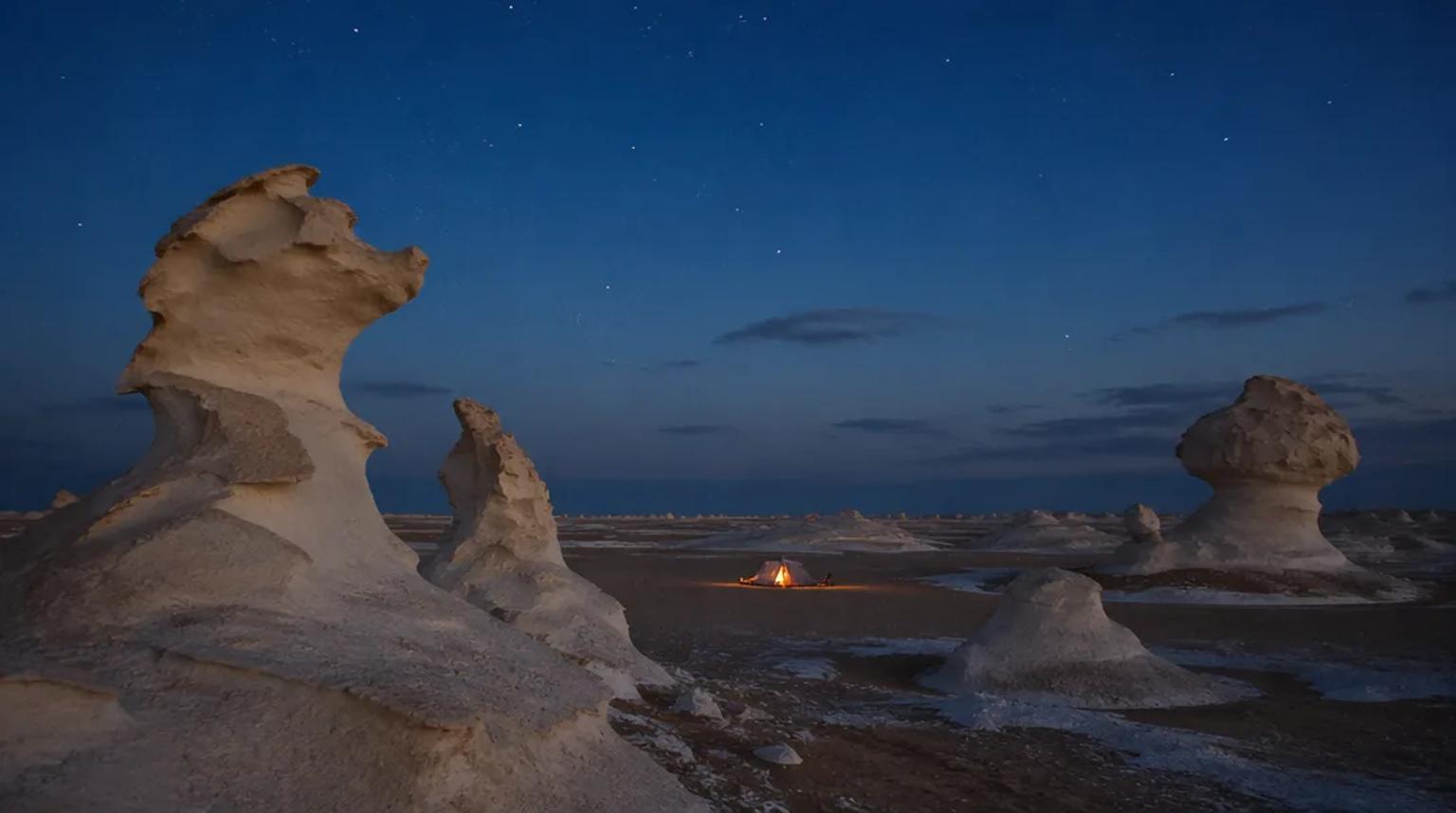
06White Desert · Bahariya · stargazing
Egypt's quiet quarter. Wind-carved chalk towers glow at the White Desert, hot springs bubble at Bahariya and Siwa, and the night sky goes as dark and crowded with stars as anywhere in Africa.
Best for · Adventurers & desert romantics
Planning tool
Six starting points, six different trips. Find the traveller closest to you and read the route as a sequence of bases – each labelled with the nights we'd give it.
The method
Seven days covers the core circuit. Ten adds a Red Sea finale or simply a slower pace. Fourteen reaches everything – Alexandria, the Delta and the Western Desert included.
Cairo needs two or three nights – the Giza plateau and the Grand Egyptian Museum each justify a full day. Luxor stays interesting for three. The cruise itself absorbs Edfu, Kom Ombo and Aswan as it sails.
Cairo → fly to Luxor → cruise south to Aswan → Abu Simbel → fly home. That arc is the spine of four out of five Egypt trips. Everything else attaches to it as an extension.
The Red Sea clips on at the end – fly Aswan to Hurghada or Marsa Alam. Alexandria is a day trip from Cairo. The White Desert is a three-day loop. Sinai works as a standalone beach finale.
Best time to visit
A year-round country. October through April is the comfortable window; May through September runs hotter but quieter and noticeably cheaper. Bar height shows the typical daytime high.
Peak season · Oct–Apr
20–30°C nationwide – ideal for monuments and cruising. Book hotels and boats four to six months out, especially over Christmas and February half-term.
Hot season · May–Sep
35–42°C in Upper Egypt. Sites empty out and prices drop 30–40%. Mornings before 10am are comfortable; afternoons are for the pool or a siesta.
Ramadan
Dates shift each year with the lunar calendar. Some restaurants keep shorter hours, but the evening atmosphere is warm and singular. Plan meals around sunrise and sunset.
Christmas & New Year
Egypt's busiest fortnight. Prices climb 25–35% and the headline sites fill up in the last week of December. Book six to nine months ahead.
"Egypt rewards the traveller who plans the river first and lets everything else hang off it. Get the Nile right – Cairo, Luxor, Aswan – and the coast, the desert and the Mediterranean fall into place on their own."
– Our Egyptologist planning team, on three decades of itineraries
Why plan with us
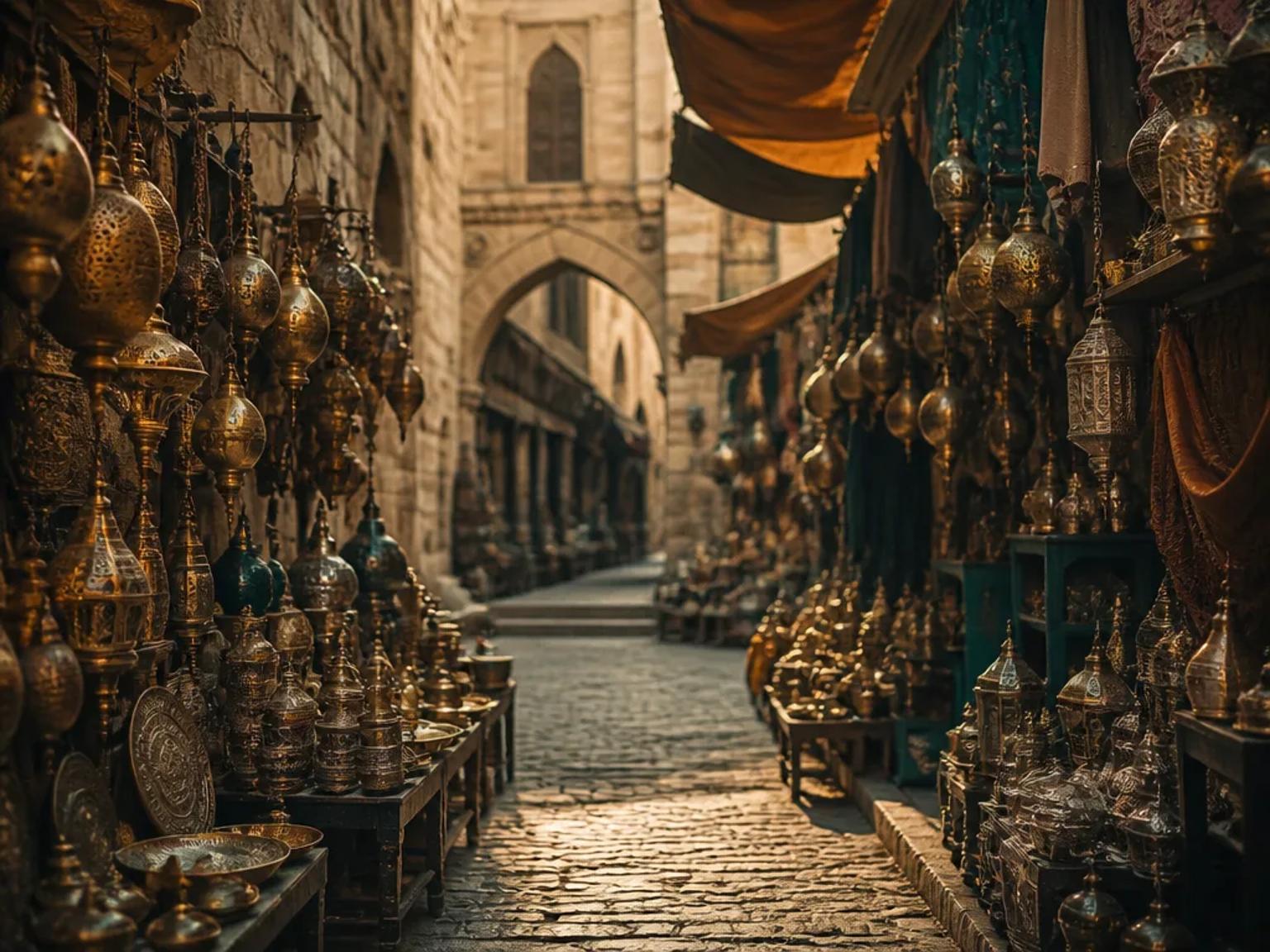
Every Discovery Tours guide is a degree-qualified Egyptologist – not a licensed generalist. They read the wall behind the wall, tie the hieroglyphs to the myth, and turn a walk through a temple into the best lecture you'll ever stand up for.
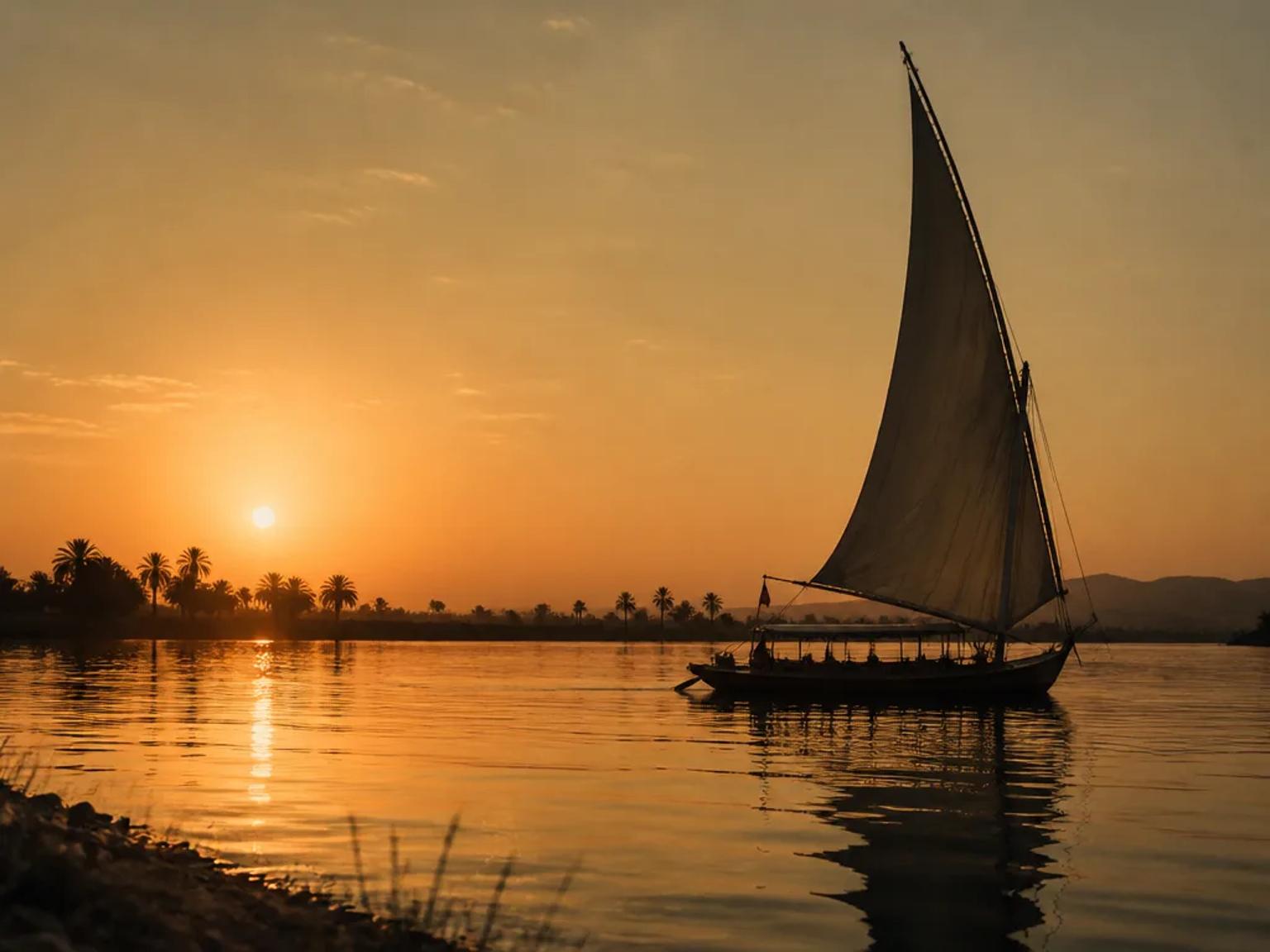
Thirty-eight years running Egypt's most complicated itineraries, on ETAA Licence No. 718 (Category A) and IATA accreditation #90255546. The safety record and the repeat-client rate are the part of the brochure we're proudest of.
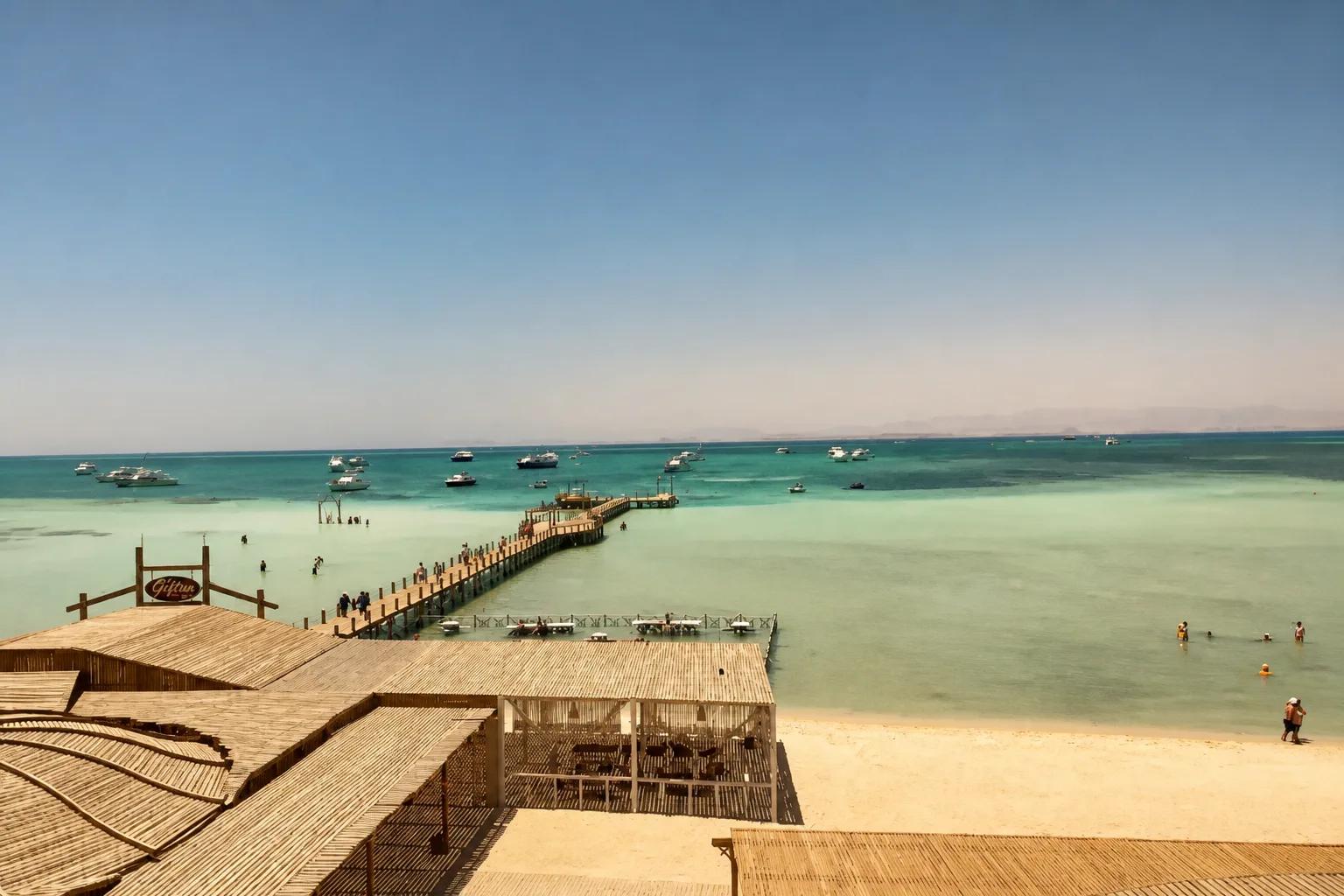
We keep people on the ground in every city on your route. When a flight slips, a hotel overbooks, or you simply want a dinner recommendation at midnight, the person who picks up actually knows the street.
Common questions
Seven days covers the core: Cairo (2 nights for the Pyramids and the Grand Egyptian Museum), a flight to Luxor (2 nights for the Valley of the Kings and Karnak), and a 4-night Nile cruise to Aswan. Ten days adds a Red Sea extension or a more relaxed pace.
Cairo is the most convenient base – both airports are there (CAI and SPX), the Pyramids are 20 minutes away, and the Grand Egyptian Museum opened on the Giza plateau in 2024. Most travellers fly from Cairo to Luxor for the Nile cruise rather than take the overnight train.
Yes, in 12–14 days: Cairo (Grand Egyptian Museum, Pyramids, Islamic Cairo), Alexandria (day trip), Luxor (Karnak, Valley of the Kings), a 4-night Nile cruise to Aswan, Abu Simbel, and a Red Sea finale. The White Desert adds 2–3 more days.
Yes. Egypt is one of the most organised destinations for first-time visitors – every major monument has tourist police on-site, English is widely spoken across the tourist corridor, and a private guide makes getting around effortless. Our solo-traveller holidays pair you with a small group so you're never on your own.
Cairo wins on content – children are transfixed by the mummies at the Grand Egyptian Museum and the sheer scale of the Pyramids. Luxor's Valley of the Kings brings the adventure atmosphere. A 4-night Nile cruise keeps children engaged with a new temple every morning.
Cairo for the Pyramids at sunrise (private access available), a dahabiya cruise for 7 nights of Nile romance – canvas sails, private sundeck, uninterrupted horizon – then 3 nights at a Marsa Alam reef villa. That 12-day combination is our most-booked honeymoon from the UK.
Absolutely – the Bibliotheca Alexandrina, the Catacombs of Kom el-Shoqafa, and Pompey's Pillar are all excellent. Two hours from Cairo by fast train or 45 minutes by plane, Alexandria works well as an overnight extension at the start or end of a Cairo stay.
No – one Egypt e-Visa (US$30, applied online at visa2egypt.gov.eg) covers the whole country including Sinai, the Red Sea, Aswan, and Abu Simbel. The only exception is the cheaper Sinai-only permit issued on arrival at Sharm El Sheikh or Taba, which covers the Sinai resorts but not the rest of Egypt.
Plan your Egypt trip
Send your dates, your group, and the regions you're drawn to – we'll send back a tailored multi-region itinerary within 24 hours. No deposit, no obligation.
We use cookies to understand how the site is used so we can improve it. Analytics only — we don’t advertise to you or sell anything on. You can decline and the site works exactly the same.What we set and why.