Skip to content
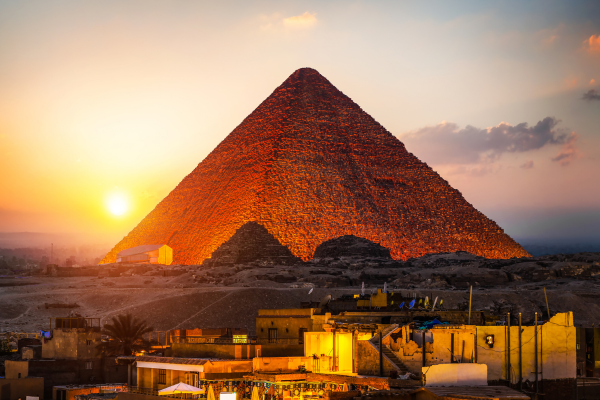
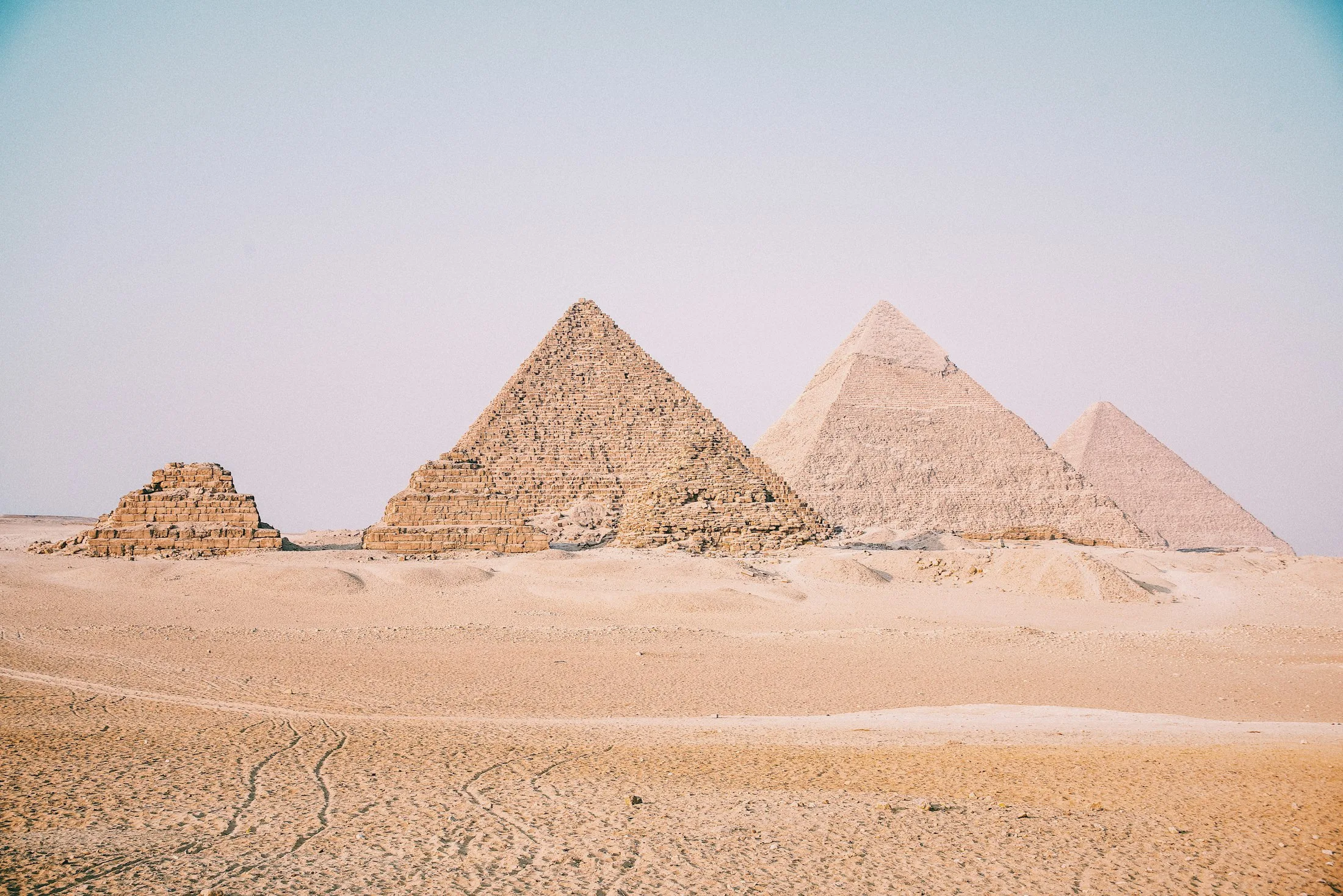
The Great Pyramid of Giza at sunrise, first light on the Sphinx

7–10 Nights · Year-Round

The complete beginner's guide

Your first trip to Egypt, done properly.

Most first-time visitors try to see everything and come home exhausted. This is the opposite approach: the four sites that matter, a Nile cruise that does the travelling for you, and enough margin in the schedule to slow down when something stops you in your tracks – which it will.

Why this itinerary works

Egypt rewards a first-timer who moves with intent. The country has 5,000 years of history spread across 1,000 kilometres of Nile Valley, and trying to cram all of it into one trip is how people end up seeing everything and remembering nothing. The itinerary that actually works for a first visit has been refined over decades by operators who watched what tired travellers, not what looked good on paper.

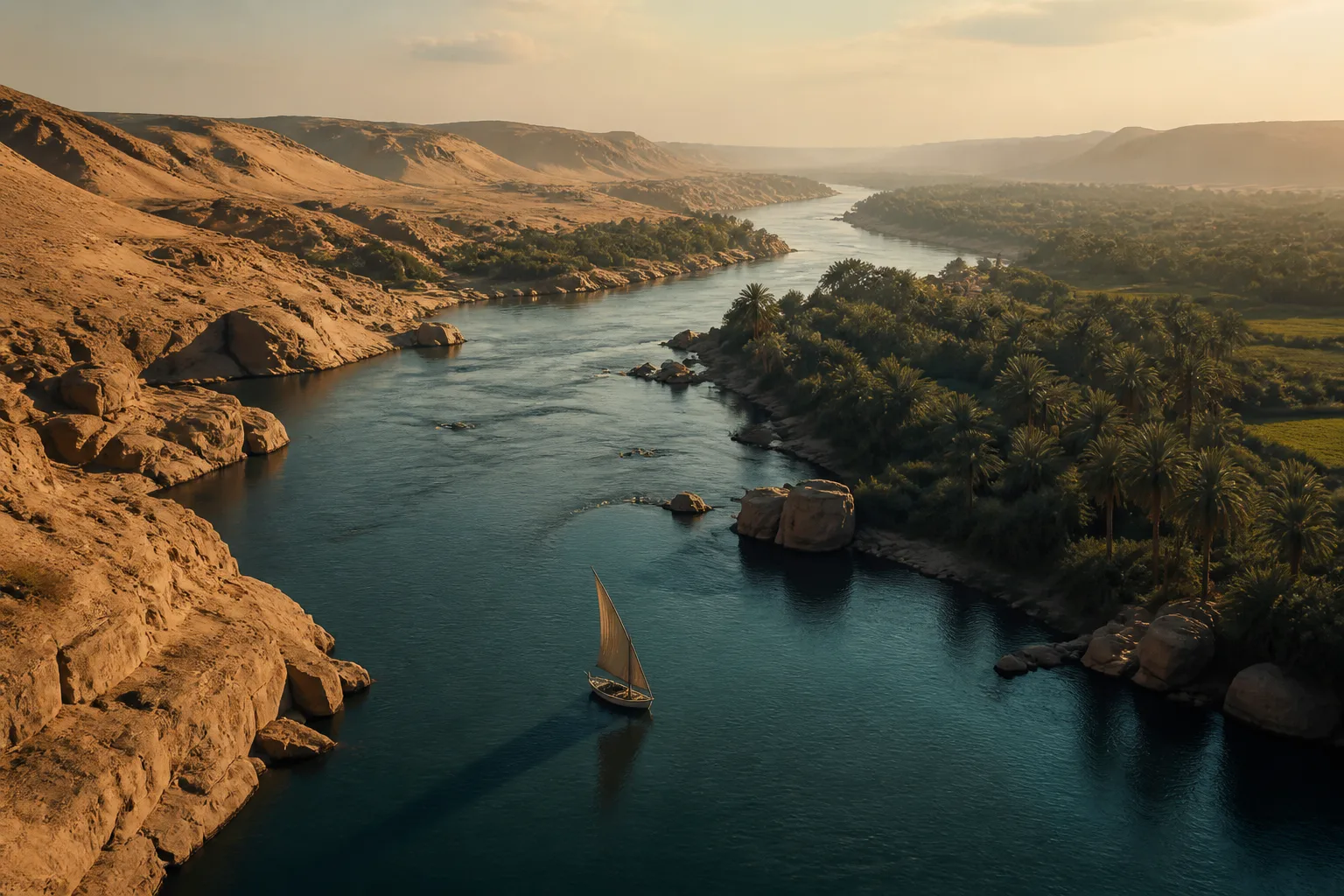
Two or three nights in Cairo. Three or four nights on a Nile cruise between Luxor and Aswan. That's it. That single shape covers the Pyramids, the Grand Egyptian Museum, Karnak, Luxor Temple, the Valley of the Kings, and the riverside temples of Edfu, Kom Ombo, and Philae – without a single long road transfer.

"You don't need eighteen days in Egypt. You need the right seven, in the right order."

— Egypt Discovery, Cairo desk

Four sites, non-negotiable

See these, whatever else you cut.

The Pyramids of Giza & the Sphinx

Built c. 2560–2540 BC

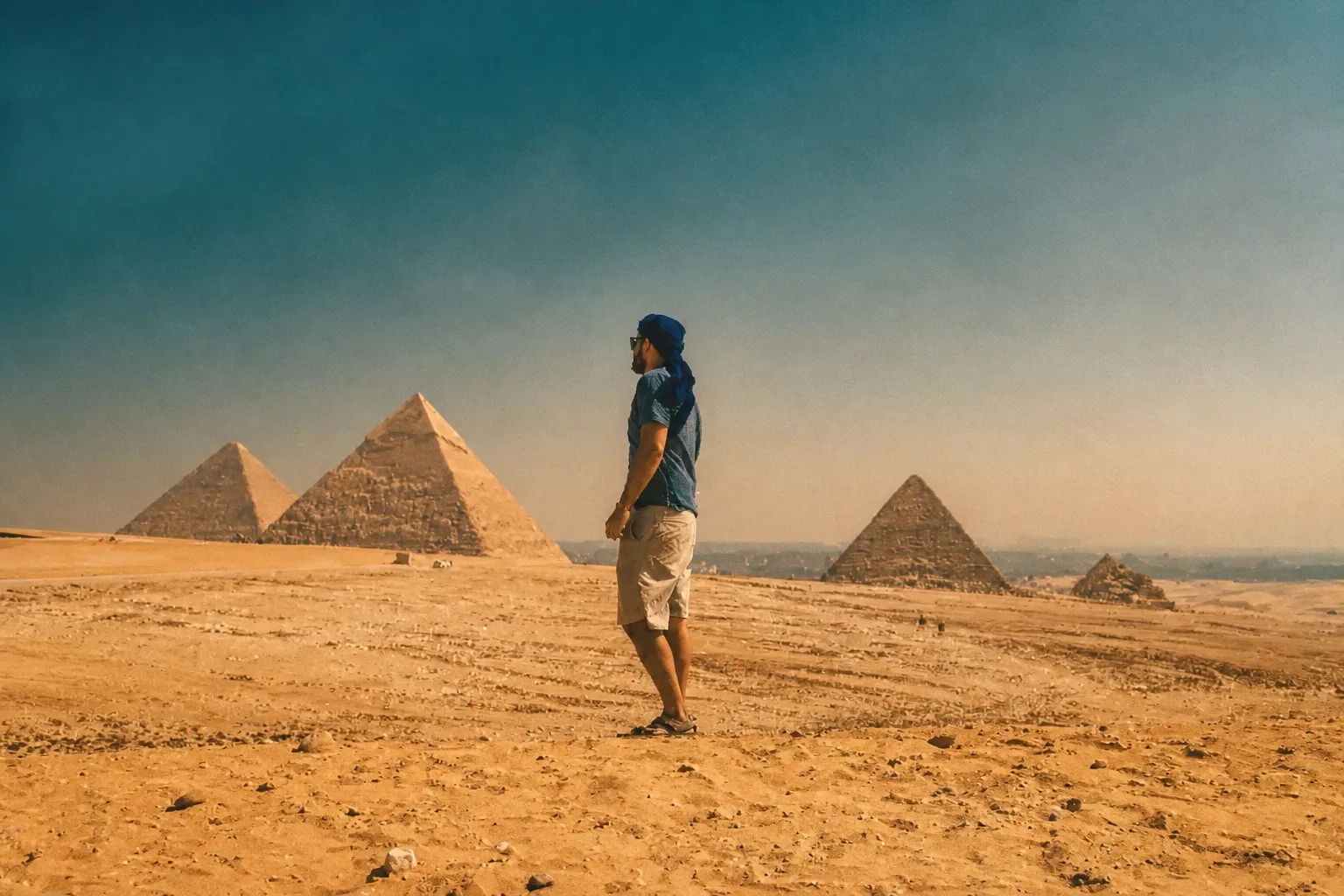
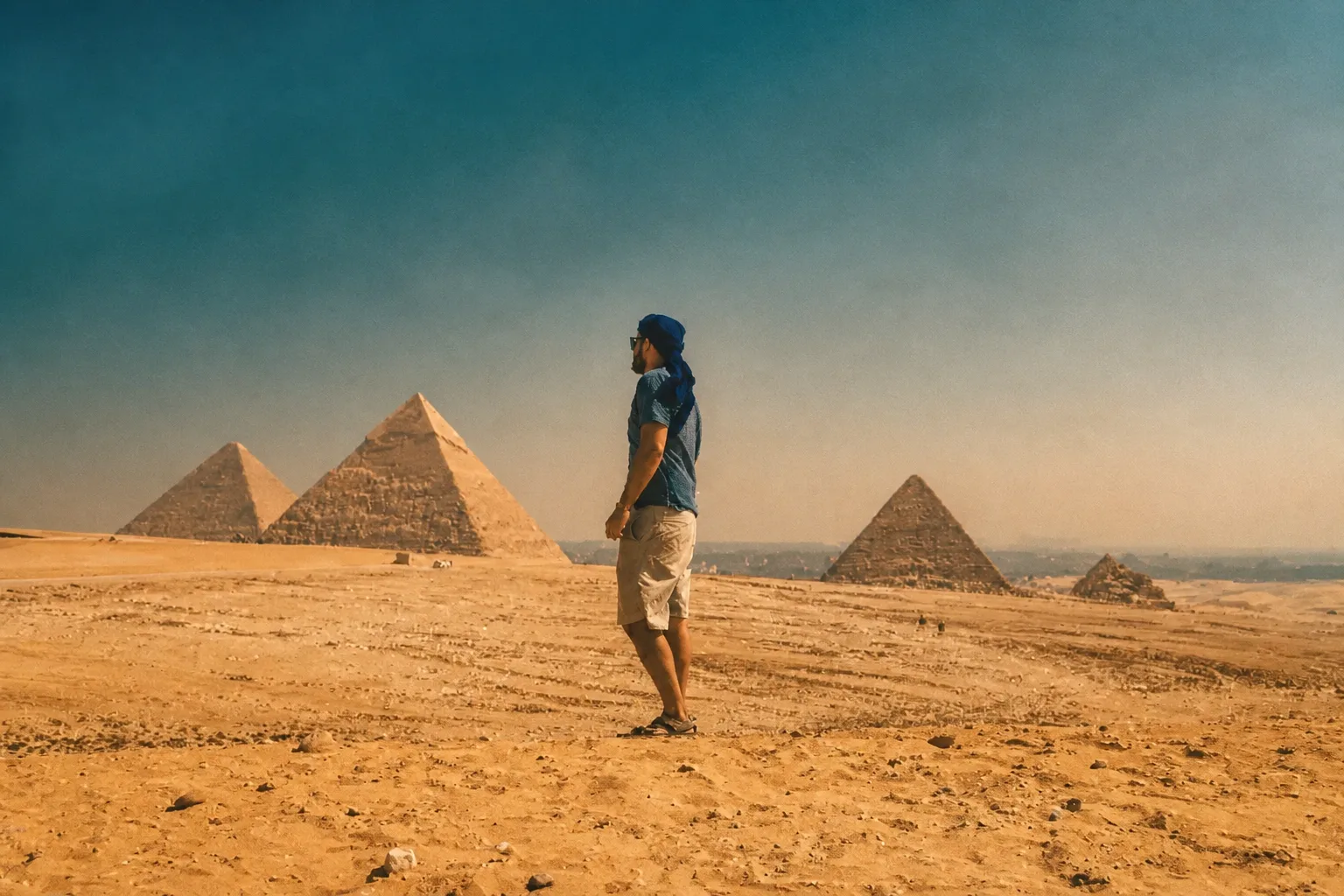
The Great Pyramid is the only one of the Seven Wonders of the Ancient World still standing, and it has stood on the Giza plateau, at the edge of Cairo, for over 4,500 years. Most first-time visitors underestimate how close the pyramids sit to the city – you can see them from a Cairo rooftop. Go early, before 9am, before the heat and the coach groups arrive. The Sphinx guards the site as it always has, its face worn by a thousand years of desert wind.
The Grand Egyptian Museum

Opened 2024 · 5,000+ years in one building

The full Tutankhamun collection – over 5,000 objects, including items never before displayed – is here, alongside the largest artefact collection ever assembled under one roof. Give it a full half-day minimum. The Grand Hall's colossal statue of Ramesses II alone is worth the drive from downtown Cairo.

Karnak Temple & Luxor Temple

Built over 2,000 years, from c. 2000 BC

Karnak's Hypostyle Hall holds 134 columns, some over 70 feet tall, built up over two millennia by more than 30 pharaohs. Luxor Temple, connected to Karnak by a restored 1.7-mile avenue of sphinxes, is best seen at night, when floodlights turn the stone gold. Nothing prepares you for the scale of either.

The Valley of the Kings

Royal burial ground, 1550–1070 BC

Sixty-three tombs cut into the Theban hills, built to hide pharaohs from tomb robbers for eternity. Tutankhamun's tomb – small compared to its neighbours, but the only one found nearly intact – is here. Standard admission covers three tombs; ours is timed for the cool of the morning, before the valley fills.

The shape of the trip

Seven nights, laid out day by day.

  1. Day 1–2

    Cairo – the pyramids and the museum.

    Land, settle, and go straight to Giza the next morning while the light is soft and the plateau is quiet. Afternoon at the Grand Egyptian Museum, or split it across both days if jet lag says slow down.

  2. Day 3

    Fly to Luxor, board the Nile cruise ship.

    A short flight replaces a long coach transfer. Check in to your cabin by lunchtime, then walk Luxor and Karnak Temples that same evening while everyone else is at dinner.

  3. Day 4

    The West Bank – Valley of the Kings, Hatshepsut.

    Cross the Nile at dawn for the tombs while they're cool and empty, then the cliff-cut Temple of Hatshepsut. Back on board for lunch as the ship sails south.

  4. Day 5

    Sailing – Edfu and Kom Ombo.

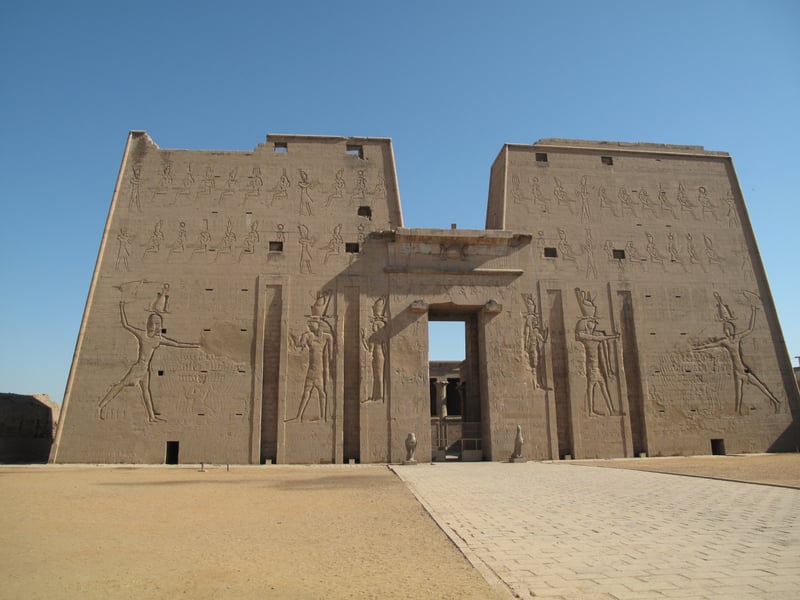
    Two temples in one day, both reached by carriage or a short walk straight from the dock. Kom Ombo, dedicated to two gods at once, sits right on the riverbank – no coach required.

  5. Day 6

    Aswan – Philae Temple and the High Dam.

    Philae, moved stone by stone to save it from flooding in the 1960s, is reached by motorboat across Lake Nasser. Optional add-on: the pre-dawn flight to Abu Simbel.

  6. Day 7

    Fly back to Cairo, or extend to the Red Sea.

    Seven nights is the minimum. Ten lets you add two or three unhurried days on the Red Sea coast – Hurghada or Marsa Alam – before the long flight home.

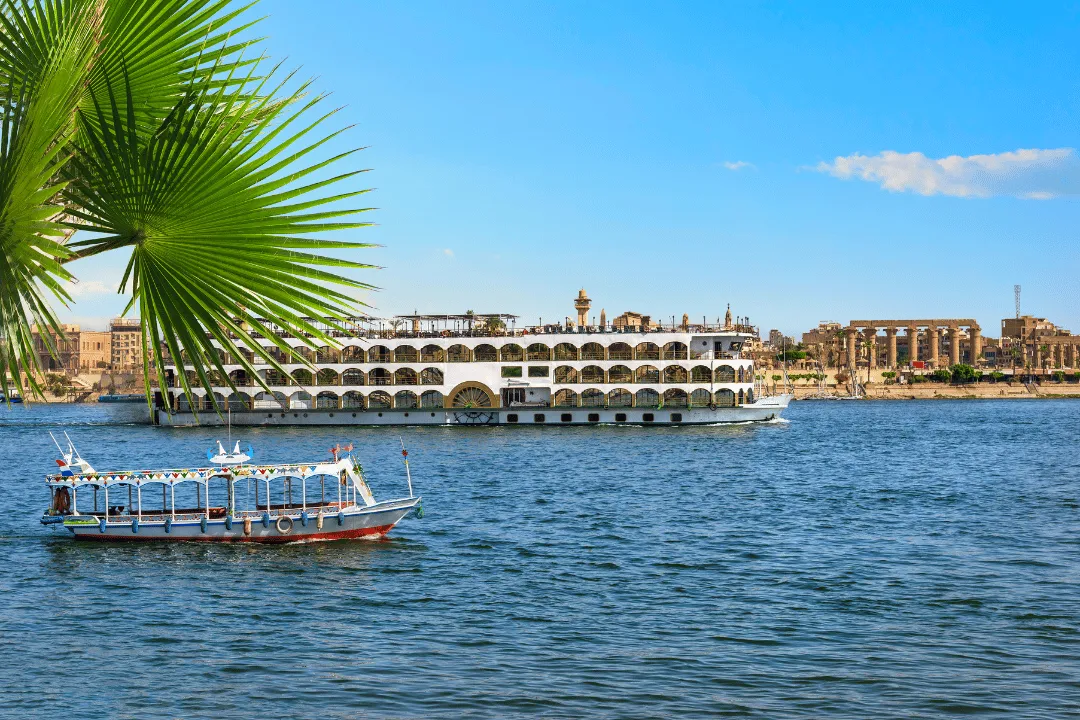
A Nile cruise ship passing the floodlit columns of Luxor Temple at night

Why the cruise isn't optional

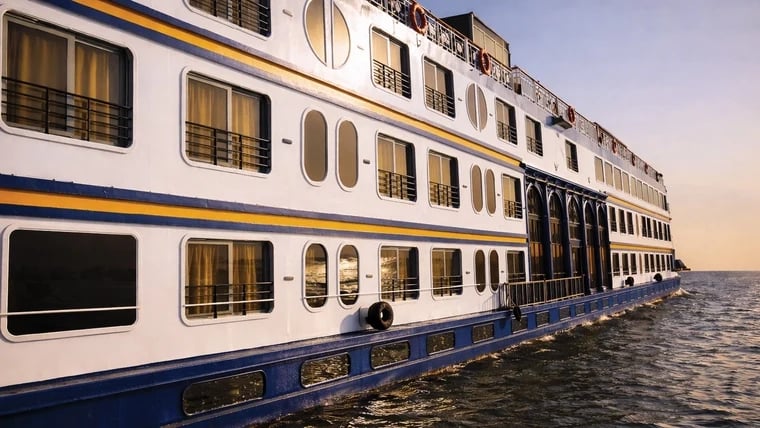
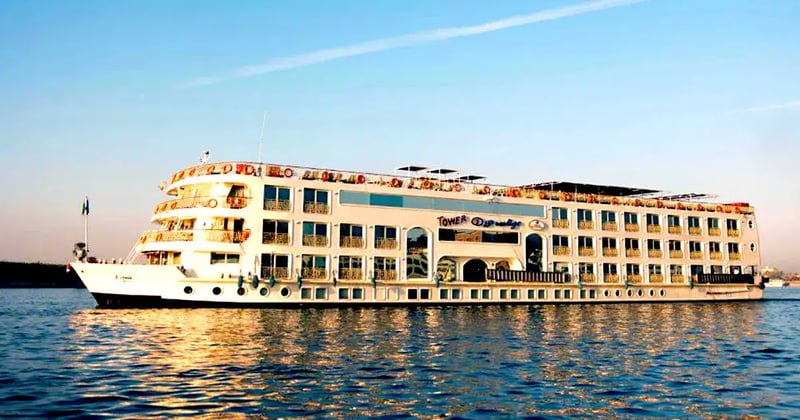
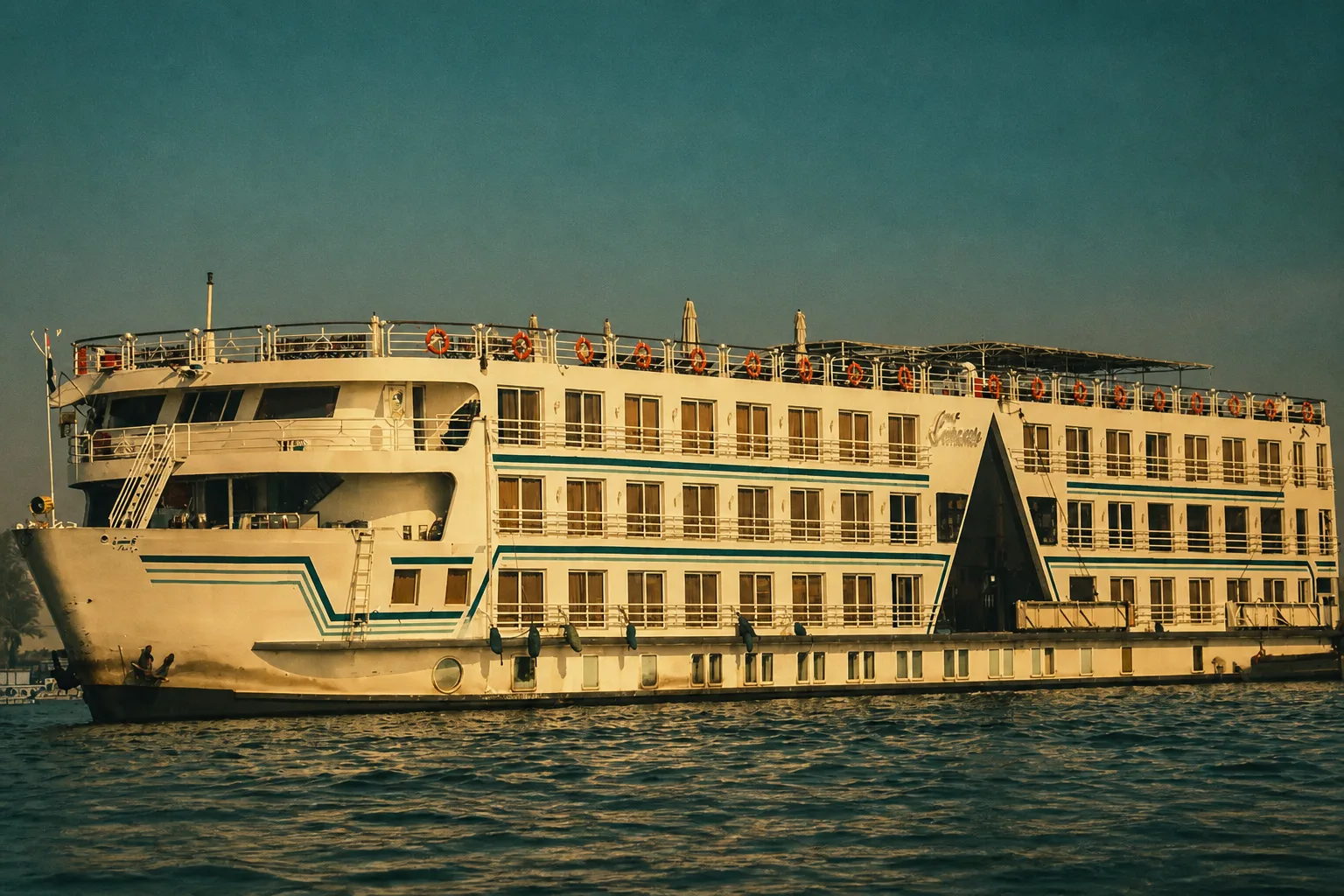
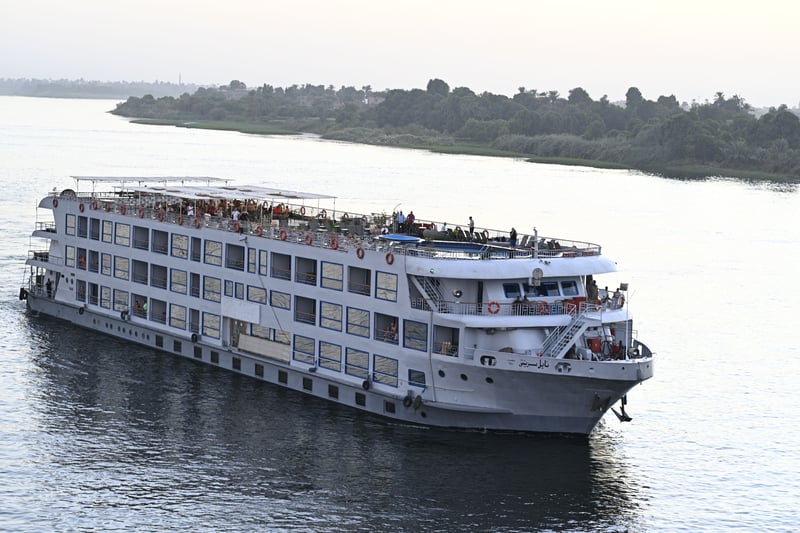
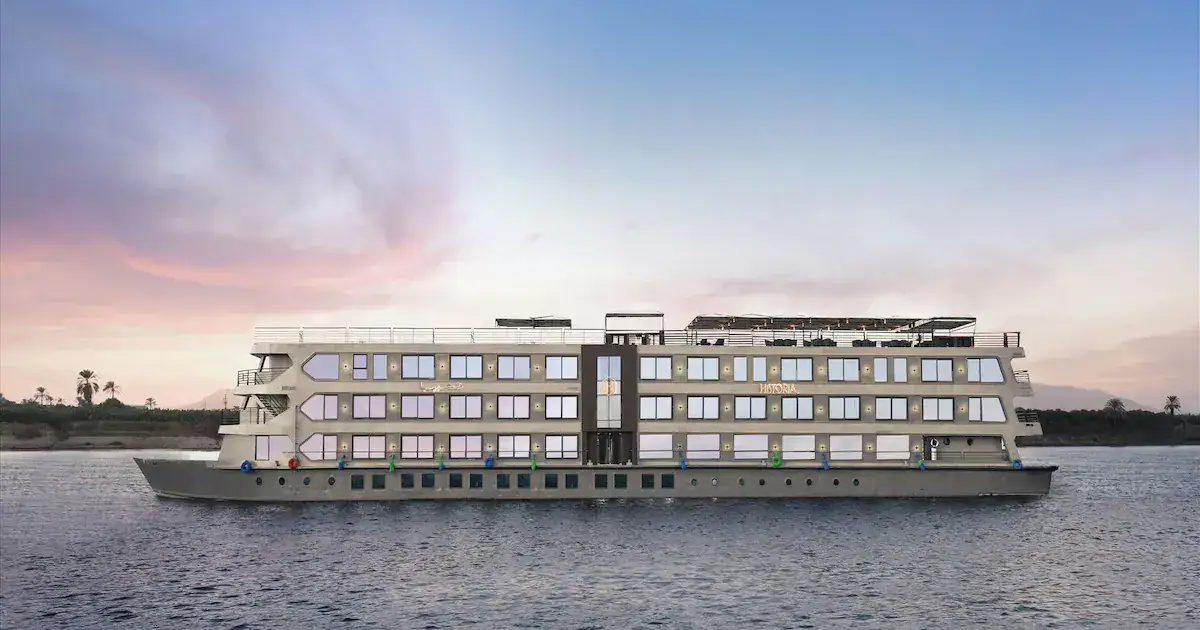
The cruise ship is also the transport, the hotel, and the dining room. You unpack once and the sites come to you.

  • 3–4nights covers Luxor to Aswan
  • 0evening transfers between cities
  • 3riverside temples reached on foot
  • 2Nile sunrises from your own balcony

Three ways to shape it

Same foundation, three lengths.

Every version below is private and fully guided, and every version can be adjusted around your dates, pace, and group size.

  1. Cairo skyline and Nile River panorama at dusk

    7 nights · Cairo + Nile cruise

    The classic first Egypt holiday

    Two nights Cairo, four nights aboard a Nile cruise ship between Luxor and Aswan, private Egyptologist guide throughout. The four essential sites, nothing skipped, no day wasted on the road.

    Tell us your dates
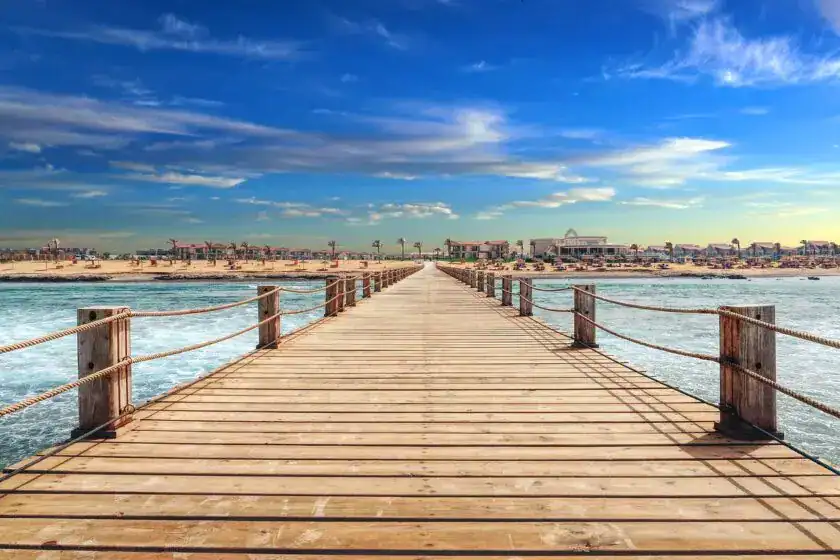
  2. Red Sea coastline near Hurghada with turquoise water

    10 nights · Cairo + Nile + Red Sea

    The unhurried version, with the Red Sea added on

    Everything in the classic itinerary, plus three slow days on the Red Sea coast at the end – reef snorkelling, a spa afternoon, and a soft landing before the flight home.

    Tell us your dates
  3. Abu Simbel temple facade with colossal seated statues

    9 nights · with Abu Simbel

    For travellers who want the full Upper Egypt story

    The classic route plus a pre-dawn flight from Aswan to Abu Simbel – Ramesses II's temple, aligned twice a year so sunlight strikes the sanctuary's inner statues at dawn.

    Tell us your dates

On the ground

Two moments nothing quite prepares you for.

Reading about these is one thing. Standing there is another.

The Pyramids of Giza at sunset with a camel silhouette in the foreground

Giza Plateau · Cairo · c. 2560 BC

4,500 years old, and closer to the city than you think.

You leave the hotel before the traffic starts, and within twenty minutes the pyramids are simply there – no long approach, no visitor centre buildup, just stone against sky. Most visitors expect a remote desert setting. Giza sits at the edge of a city of 20 million people. The scale still overwhelms first.

We schedule Giza first, before 9am, before the site fills and the heat builds.

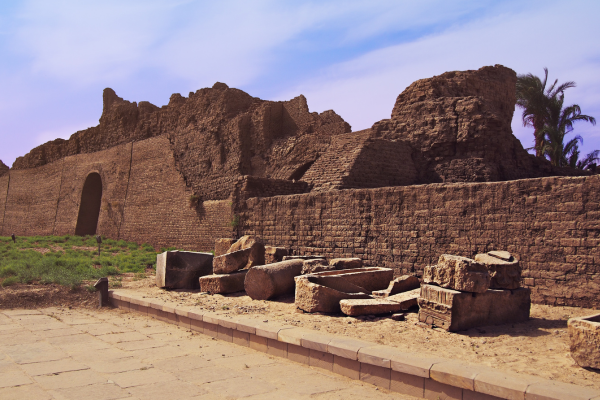
Kom Ombo Temple on the Nile riverbank, reached directly from a cruise ship dock

Kom Ombo Temple · Nile River · c. 180 BC

A temple you reach by simply stepping off the boat.

Kom Ombo is unique among Egyptian temples – dedicated equally to two gods, Sobek and Horus, with mirrored halls and twin sanctuaries. It sits directly on the riverbank, so a cruise itinerary reaches it with a short walk from the gangway rather than a coach transfer. Late afternoon light on the columns is the best time to be there.

This is what ‘the cruise does the travelling for you’ actually looks like in practice.

Before you book

What first-time visitors ask us most.

  1. 01 How many days do I need for a first Egypt holiday?

    Seven nights is the minimum that covers Cairo and a Nile cruise without rushing. Ten nights is better – you travel more slowly and can add a Red Sea stop at the end. Under 7 nights, the flight time starts to outweigh the time on the ground.

  2. 02 Is a Nile cruise really necessary, or can I just do Cairo?

    Cairo alone misses most of what makes Egypt Egypt. Luxor and Aswan hold Karnak, the Valley of the Kings, and the temples of Edfu, Kom Ombo, and Philae – a 3 to 4-night cruise between them is the most efficient way to see all of it, and it replaces several long coach transfers with a floating hotel.

  3. 03 Is Egypt safe for first-time British travellers?

    Yes. Cairo, Luxor, Aswan, and the Red Sea coast have strong tourist security, tourist police stationed at every monument, and a well-established local tourism industry serving millions of visitors a year. The UK FCDO does not advise against travel to these regions.

  4. 04 What should I wear in Egypt?

    Light, breathable, loose-fitting clothing that covers the shoulders and knees – this matters most at mosques, churches, and some temple interiors. Closed shoes for tomb and temple floors, a hat, and sun cream. Evenings can be cool October through April, so pack a light layer.

  5. 05 Do I need cash, and what about tipping?

    Bring Egyptian pounds or US dollars in small denominations for tipping (baksheesh) – guides, drivers, and cruise staff all expect it, and it's built into how the industry works, not optional. Most hotels and larger shops take cards; local markets and small tips are cash-only.

  6. 06 What's the best time of year to visit for the first time?

    October through April. Daytime temperatures sit around 20–30°C in the Nile Valley, and winter light is ideal for photography. November and March are the sweet spots – excellent weather without peak December pricing.

Tell us your dates. We'll draft the rest.

Your dates, group size, and pace. A draft itinerary comes back within 24 hours.

Our own offices in Cairo, Luxor, Aswan, Hurghada, Marsa Alam, and Sharm El Sheikh. 38 years planning first Egypt trips, more than 10,000 travellers guided since.

Start planning your first holiday

– Suhaila, with the Cairo team