Why was the Nile important to ancient Egypt?
The Nile was essential to ancient Egypt because it provided the water and fertile soil needed to survive in the desert. The river also created a natural highway for trade and transport, binding Upper and Lower Egypt into a single political state.
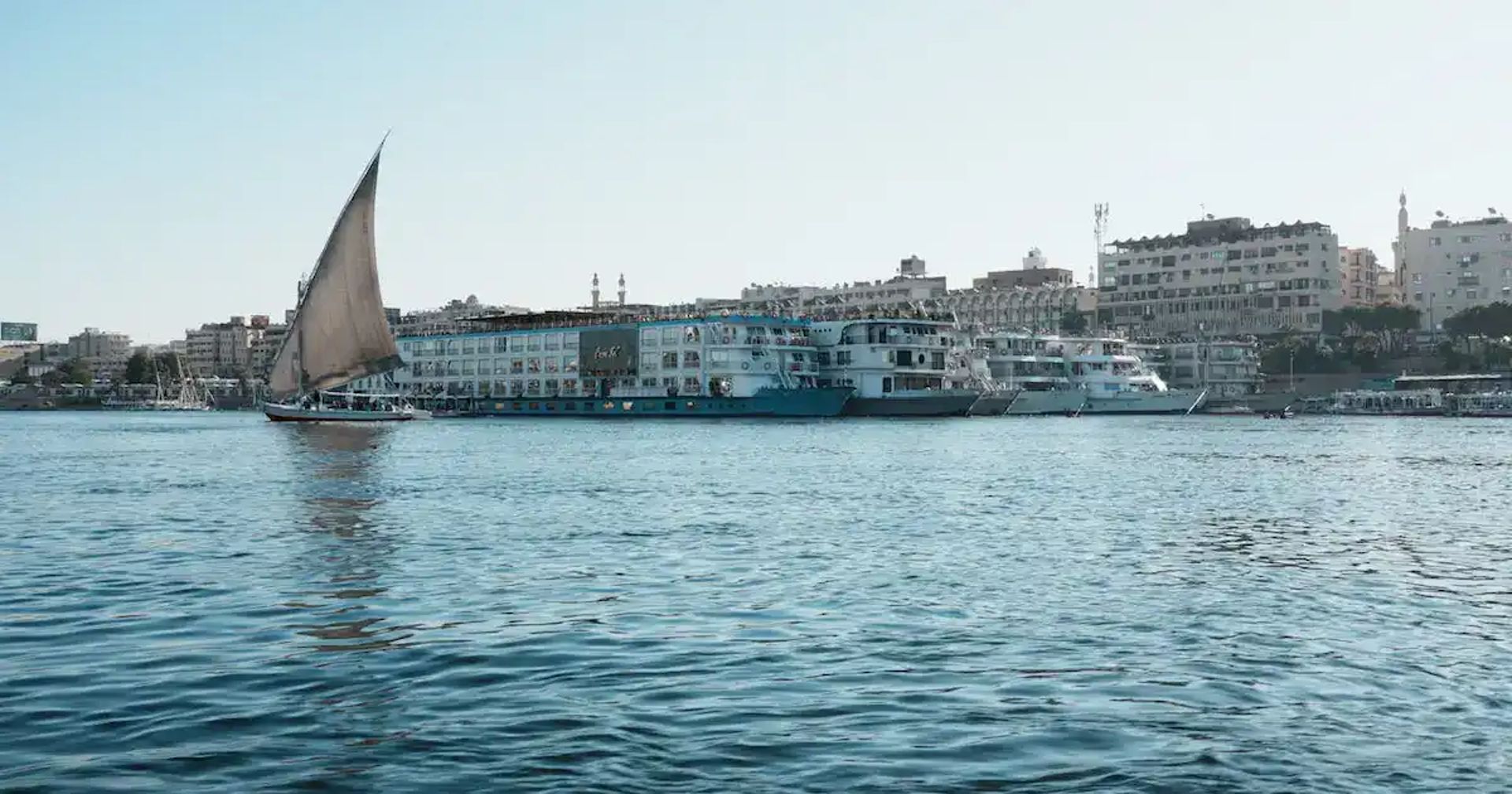
For anyone wondering why the Nile mattered so much to ancient Egypt, the answer starts with survival. The river gave Egypt water, food and a reliable way to move goods across the kingdom. Without the Nile, the pyramids, temples and complex society we associate with ancient Egypt would never have existed. Today, holidaymakers on a Nile cruise follow much the same route that pharaohs and traders once used.
How did the Nile help ancient Egypt with farming?
The Nile helped with farming through its annual flood, which deposited nutrient-rich silt, called kemet, over the dry fields. This natural fertiliser let Egyptians grow wheat, barley, flax and vegetables in an otherwise dry desert.
Each year, between July and October, the Nile flooded its banks, leaving behind the black silt the Egyptians called kemet. Farmers cultivated several crops in this soil:
- Wheat and barley for bread and beer
- Flax for linen clothing
- Vegetables, fruits and pulses for daily meals
The surplus supported a growing population and freed people to become artisans, architects, priests and scribes.
What did the Nile provide besides crops?
Beyond crops, the Nile provided fresh water for drinking, cooking, bathing and livestock. Villages were built close to its banks, and irrigation canals carried water to nearby fields. Even today, most of Egypt's population lives along the Nile.
The river was the only reliable water source in a vast desert. People depended on it for basic survival: drinking, cooking, bathing. Livestock relied on it too, and farmers dug irrigation canals to direct the flow to their fields. Settlements stayed close to the riverbanks, and the population still concentrates along the water to this day.
How did the Nile affect ancient Egyptian trade and transport?
The Nile shaped ancient Egyptian trade because it was a natural highway. Boats sailed south using the prevailing wind and drifted north with the river current, letting merchants move gold, stone, grain and papyrus between regions and out to Nubia and the Levant.
The Nile was Egypt's main transport route, and the predictable winds and currents made two-way travel efficient. Boats sailed southward against the current using the wind, and drifted northward with the current. Merchants moved goods such as:
- Gold and stone for building and wealth
- Grain and papyrus for trade and records
- Luxury items for the upper classes
The river connected Egypt to Nubia in the south, the Levant to the northeast, and other regions besides.
Why was the Nile so important to ancient Egyptian religion?
The Nile mattered to ancient Egyptian religion because people viewed it as a divine gift. The god Hapi controlled the floods, and the river's cycles represented life, death and rebirth. Temples faced the Nile, and rituals were timed to align with its flooding.
Egyptians believed the river was sacred, with Hapi as the god of the Nile floods. The cycles of the Nile mirrored the concepts of life, death and rebirth. Many temples faced the river, and priests timed rituals to the flooding. The Nile symbolised Ma'at, the Egyptian concept of order and truth.
How did the Nile shape political power in ancient Egypt?
The Nile shaped political power by binding Upper and Lower Egypt into one kingdom. Control of the Nile meant control of food supplies and economic stability. Good floods signalled that the pharaoh was favoured by the gods, while failed floods threatened political order.
The river flowed through Upper and Lower Egypt, linking the two lands. Pharaohs controlled the Nile and its resources, which gave them economic stability and political legitimacy. As divine rulers, pharaohs were credited when floods were good, and people believed the gods favoured them. When floods failed, stability and political power came under threat.
How did the Nile influence daily life and the calendar?
The Nile influenced daily life by dividing the year into three seasons: Akhet for flooding, Peret for planting, and Shemu for harvest. Fishing, farming, boat building and trading all depended on these cycles, which dictated work schedules and religious festivals.
The ancient Egyptian calendar ran on three seasons based on the river. Akhet was the flooding season from July to October, Peret was the planting season, and Shemu was the harvest season. Each season dictated work, festivals and ceremonies, with fishing, farming, boat building and trading all following the river's cycles.
Why were temples and pyramids built along the Nile?
Temples and pyramids were built along the Nile because the river transported heavy stone blocks to the construction sites. Major temples, including Luxor, Karnak, Philae, Edfu and Kom Ombo, sit on the riverbank, with the Valley of the Kings close by.
Builders used the Nile to transport massive stone blocks for pyramids and temples. Major sites along the Nile include Luxor and Karnak Temples, the Valley of the Kings, Philae Temple, Edfu and Kom Ombo. Temples faced the river for practical access and religious symbolism alike. Today, you can explore these sites on a dahabiya Nile cruise.
What animals lived in the Nile in ancient times?
Crocodiles, hippos, fish and birds all lived in the Nile in ancient times. These animals featured heavily in daily life and in Egyptian mythology, with the crocodile god Sobek and the hippo goddess Taweret protecting specific groups of people.
Crocodiles, hippos, fish and birds were common in the Nile, and Egyptians wove the animals into their mythology. Sobek was the crocodile god, and Taweret was the hippo goddess. Fish and birds also provided food for the population.
Plan with us
Why was the Nile important to ancient Egypt?
The Nile gave ancient Egypt fertile soil, fresh water and trade routes. Discover why the Nile was essential for pharaohs, farming and temples.