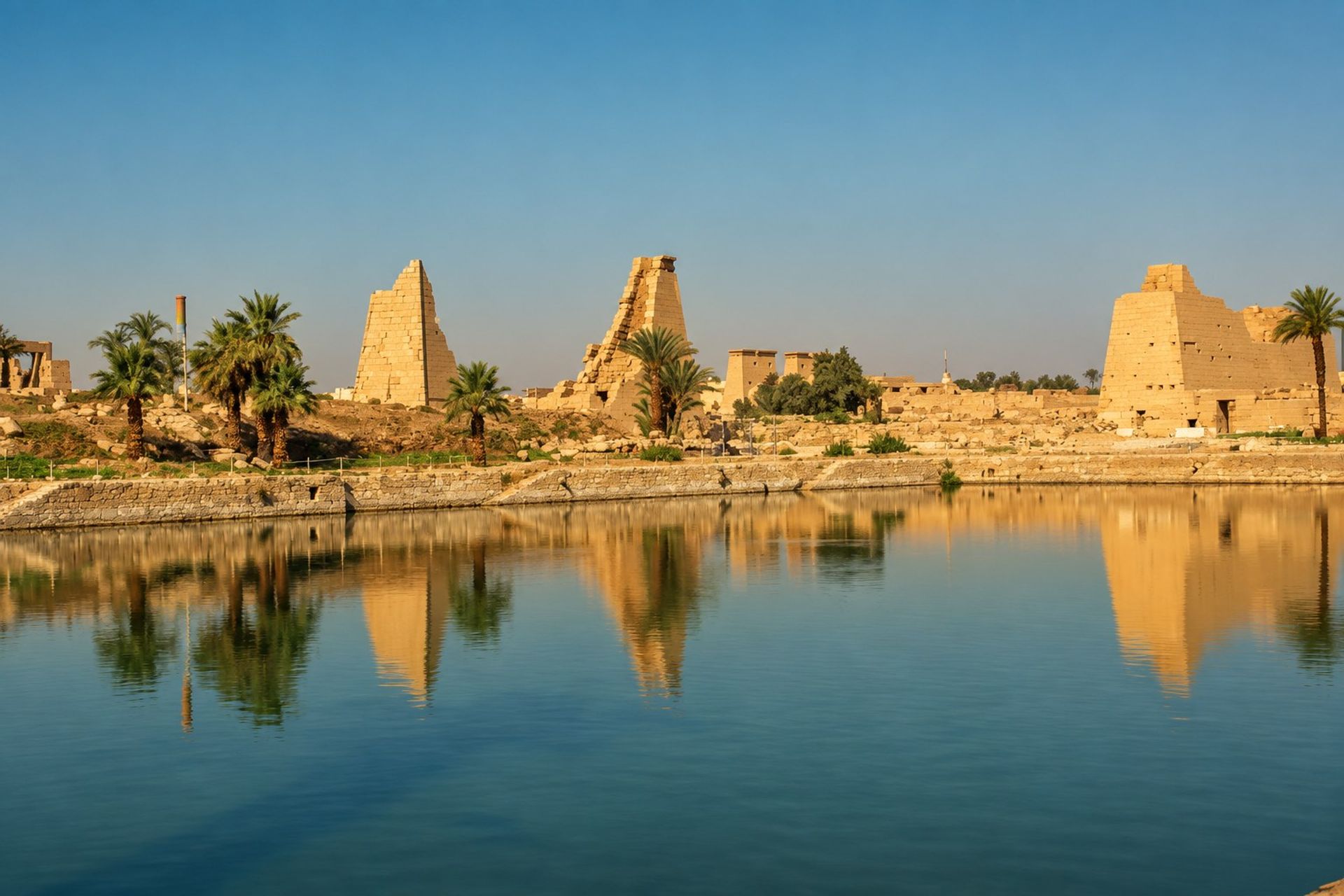
The short answer
October to April is the best overall time to visit Egypt. Days are warm, evenings cooler and conditions are easier for full days at temples and the pyramids. November, February and March usually balance comfortable weather with fewer crowds. For a first visit, February or March is often the sweet spot. Egypt has a desert climate, so the same itinerary can feel very different depending on the season.
UK school holiday weeks at Christmas, February half-term and Easter are popular. If your dates are fixed, book earlier for these periods.
Month by month
A practical guide to the changing balance of weather, crowds and travel conditions:
- January: Pleasant for sightseeing, with cooler evenings. Popular places are busier and travel is dearer during the holiday period, so plan ahead if you are travelling around Christmas or New Year.
- February: One of the strongest months for a first trip, with a good balance of comfortable sightseeing conditions and fewer crowds. It is also an excellent month for a Nile cruise. February half-term is a popular UK travel week, so availability can be tighter.
- March: Usually another good balance of comfortable weather and fewer crowds. It is an excellent month for a Nile cruise and often a good choice for a first visit.
- April: Still pleasant for sightseeing, but heat starts to rise in inland areas. Allow room in your plans for breaks, particularly on days focused on temples or the pyramids.
- May to September: The hottest stretch, especially in Upper Egypt, including Luxor and Aswan, and in the desert. Sightseeing remains possible, but works better with early starts, shaded breaks and shorter afternoons. Fewer crowds and lower prices are the trade-off.
- October: A strong month for cities, temples and Nile cruises. The Abu Simbel Sun Festival also takes place in October.
- November: Good conditions for cities, temples and Nile cruises. It usually offers a good balance between comfortable weather and fewer crowds.
- December: Pleasant for sightseeing, but popular places are busier and travel is dearer over the holiday period, especially around Christmas and New Year.
The summer months
May to September is not a reason to rule out Egypt, but it does change the rhythm of a sightseeing holiday. The heat is strongest in Upper Egypt and the desert, where temple visits and time around the pyramids can feel demanding in the middle of the day. We suggest doing the most exposed sightseeing early, taking shaded breaks and keeping afternoons shorter. You may find fewer crowds and lower prices than in the more popular travel periods. The trade-off is less comfortable conditions for long days outdoors.
The Red Sea in summer and Nile cruise timing
The Red Sea coast, including Hurghada and Sharm El Sheikh, tends to feel more comfortable in summer than inland Egypt because of sea breezes. That makes the season a reasonable option for a beach holiday focused on diving, snorkelling and time by the water. If your priority is a Nile cruise, February and March are excellent choices; October and November are also strong. Unlike a trip planned around inland temple sightseeing, a Red Sea stay can suit travellers who would rather spend much of the day at the coast.
Festivals and Ramadan
The Abu Simbel Sun Festival takes place in February and October, so check the dates when planning a visit around the event. Ramadan follows the lunar calendar and moves each year. It is not a bad time to visit Egypt, but daytime service patterns differ and evenings are livelier. If you are travelling during Ramadan, be flexible about daytime arrangements and ask us what to expect for your plans.
Choose by what matters most
Use your main reason for travelling to narrow down the month:
- Sightseeing: Choose October to April for easier full days at temples and the pyramids. November, February and March usually offer the best balance of comfortable conditions and fewer crowds.
- Value and quieter visits: Consider May to September if you can adapt to the heat. Early starts, shaded breaks and shorter afternoons help; the benefit is fewer crowds and lower prices.
- Beach time: The Red Sea coast is a practical summer choice, with sea breezes making conditions more comfortable than inland. Hurghada and Sharm El Sheikh suit trips centred on diving, snorkelling and the beach.
- A Nile cruise: February and March are excellent; October and November are also strong. For a first trip combining a cruise with sightseeing, February or March is often a useful place to start.
- School holidays: Christmas, February half-term and Easter are popular UK travel weeks. Start planning earlier if you need to travel during one of them.
Plan with us
Best time to visit Egypt: month by month
Egypt month by month: when the weather suits temples, a Nile cruise or the Red Sea, which months are busiest and dearest, and when summer heat bites.