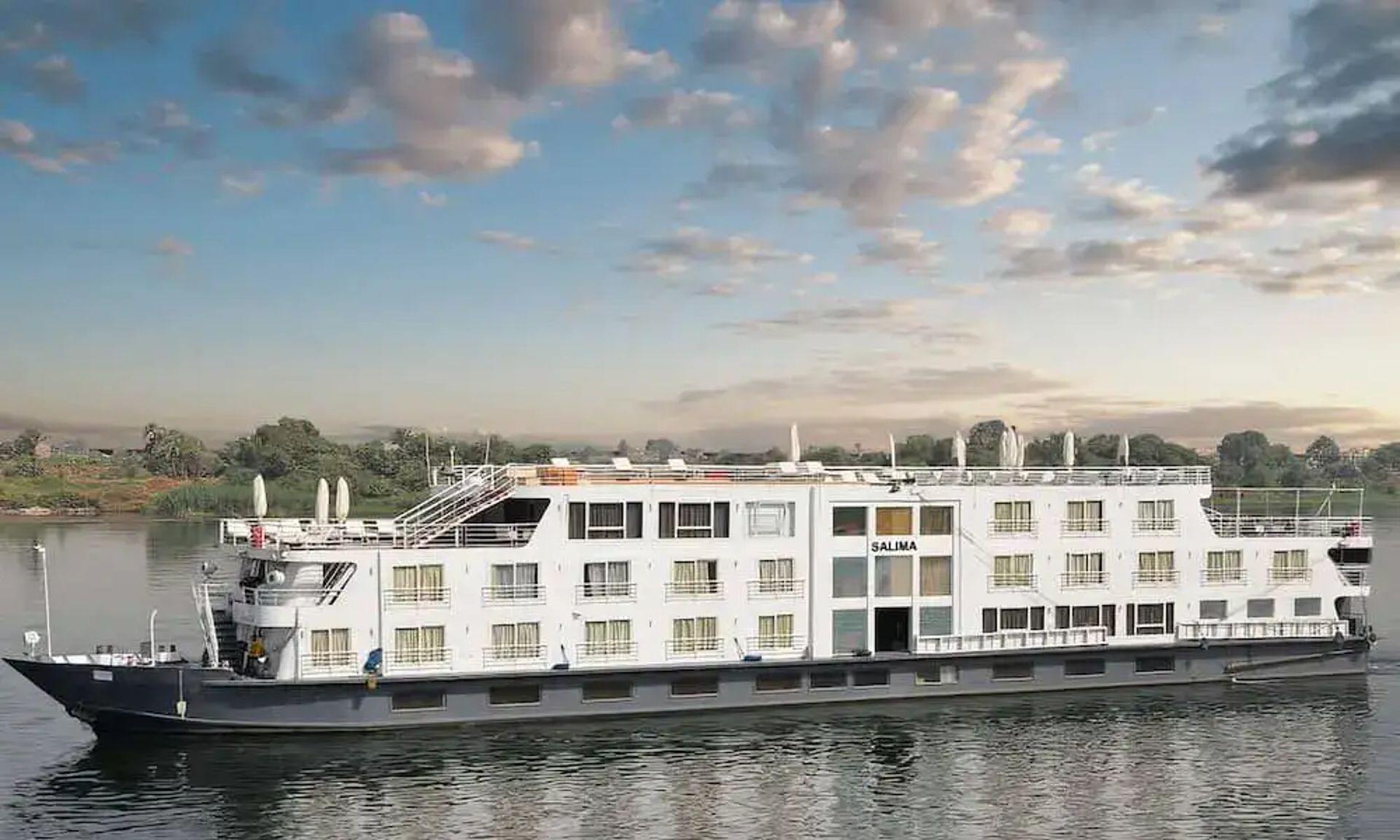
Why winter suits a Nile cruise
October to April is the most comfortable season for sightseeing in Egypt. Days are warm and evenings cooler, a pattern that suits long mornings at temples. February and March offer an especially good balance of weather and crowds, making them very good months for a Nile cruise. December and January are pleasant too, but the holiday period brings more visitors and higher prices.
Christmas and New Year
Christmas and New Year are popular times to cruise the Nile. December and January are pleasant for sightseeing, with cooler evenings, but demand is higher and prices are dearer than in quieter periods. If your dates are fixed around the UK holidays, begin planning early and compare the available sailing dates and cabin terms before choosing. A light layer for the evening is useful even after a warm day.
February half-term
A February half-term sailing falls in one of the strongest periods for a Nile cruise. February and March bring a good balance of comfortable sightseeing weather and crowds. Holiday weeks are popular, so families should book early rather than assume a preferred sailing or cabin will remain available. Early temple mornings are part of the usual rhythm, so consider whether that start suits everyone travelling.
Easter
April is still pleasant for a Nile cruise, although heat begins to rise in inland places such as Luxor and Aswan. Easter travellers should plan for early starts at temples and avoid leaving the day’s sightseeing until later. Holiday weeks are popular, so book early if you need to travel on particular dates. Breathable daytime clothing, a hat and sun cream help with time outdoors.
Booking early
Christmas, February half-term and Easter are popular travel weeks, so booking earlier gives you more opportunity to consider available dates and cabin options. Check the exact child rates and cabin rules for your chosen ship before confirming: these differ by ship and cabin. Ask us to confirm the terms for your party rather than relying on assumptions about ages or discounts.
A typical day on board in the cooler months
A typical cruise day starts with an early temple visit alongside your Egyptologist, while conditions are cooler. Lunch is on board, followed by an afternoon of sailing, then dinner and evening entertainment. The Nile is calm. This pattern puts the main sightseeing in the morning and leaves time to rest on board later in the day. Full board, a private Egyptologist and admissions to the temples on the itinerary are included; tips are extra.
What to pack
Pack for warm days, cooler evenings and visits to temples:
- Light, breathable clothing for daytime sightseeing.
- A light layer or shawl for cooler evenings.
- Clothing that covers shoulders and knees at temples.
- A hat and sun cream for time outdoors.
- Swimwear for the sundeck only.
Temple visits often start early, so set out the clothes and sun protection you will need the evening before. Keep a light layer to hand for the evening as well.
Travelling with children
Early temple mornings and the calm river suit many families, though the early start may not suit every child. Check the day’s routine with your family in mind, particularly if you expect children to need a slower morning. Child rates and cabin rules vary by ship and cabin, so ask for the exact terms for your chosen ship before booking. Do not assume that one ship’s arrangements apply to another.
Choosing length and route
Three or four nights is typical on the Luxor to Aswan stretch. A seven-night round trip gives the journey a slower pace. Choose between them by considering how much time you want on the river and how quickly you prefer to travel. The right length is a matter of pace as well as schedule: a shorter cruise keeps the trip more compact, while a longer round trip allows more time for the cruise itself. Ask for the itinerary and its temple visits before booking so you can judge how each option fits your holiday.
Plan with us
A Nile cruise in winter and the school holidays
Planning a Nile cruise for Christmas, February half-term or Easter? See how the season affects weather, crowds and booking, and what to pack. Book early.