The short answer
Nobles were elite men and women who helped the pharaoh govern ancient Egypt. They stood just below the royal family, connecting the throne with communities across the long river valley. Their status brought wealth and influence, but also duties in government, religion and military affairs.
Who counted as a noble
The noble class included viziers, provincial governors known as nomarchs, senior priests, military commanders, royal advisers and scribes. A vizier was the top official under the pharaoh. These roles were not identical: a governor oversaw a region, while a senior priest served within the religious life of a temple. Nobles could be women as well as men, and the class included people whose work and influence supported rule in different ways. Status was not simply a matter of wealth. Family influence, loyalty, skill and education all helped shape a person’s standing. Education and literacy gave the class an advantage, particularly in work that depended on keeping records or advising the ruler. Noble privilege therefore went alongside responsibility. Their position brought access to resources and authority, but also expectations that they would serve the pharaoh and maintain the systems on which the kingdom relied.
What nobles did
Noble duties covered the administration of the state, regional government, military command and temple life. Their work included:
- Collecting taxes and keeping records, tasks that helped track resources and obligations.
- Providing court and legal oversight, and advising the pharaoh on matters of rule.
- Managing construction projects and controlling granaries, where supplies were stored.
- Governing provinces as nomarchs, carrying royal authority into different parts of the river valley.
- Leading the army as military commanders.
- Running temple estates and rituals. Temples owned land, workers and goods, so their administration involved both religious duties and the management of substantial resources.
Where they sat in society
Daily life
The broad social hierarchy placed the pharaoh first, followed by nobles, then scribes, artisans, farmers and labourers. Nobles linked the royal court with local communities throughout the river valley. This gave them a position between central rule and the people who farmed, made goods and carried out labour. Their homes reflected their resources and status. Large villas near the Nile had gardens, courtyards, servants’ quarters and storage areas. Fine linen, gold jewellery, cosmetics, wigs and perfume formed part of the appearance of both noble men and women. Literacy and education were also important parts of elite life, giving nobles an advantage in administration and record-keeping. These details help explain how daily comfort, display and the ability to govern sat together in noble life.
Where their wealth came from
Land and large estates were the main sources of noble wealth. Temple revenues and royal gifts also contributed. This means noble prosperity was tied to control of productive land and institutions, not only to personal possessions. Temples held land, workers and goods, while nobles could receive resources through their relationship with royal authority. Wealth and public responsibility were closely linked: the same class that enjoyed privilege was expected to help administer the estates, stores and institutions that supported the country.
Their tombs and what visitors can learn
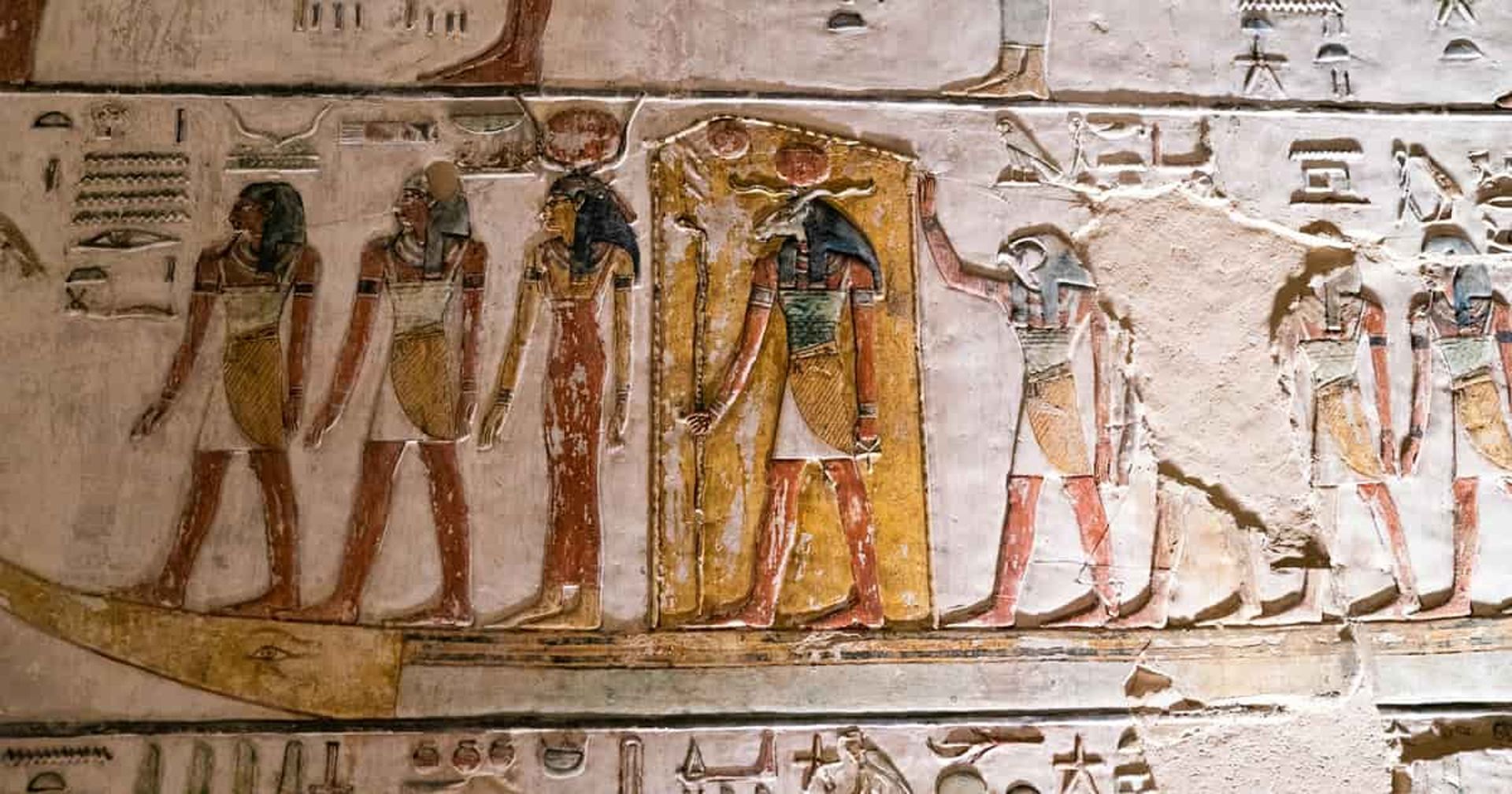
Noble tombs preserve painted scenes that show daily life and status. They can offer clues about the work, possessions and social position that mattered to the people represented. Read them as images made to express identity and standing, rather than as a complete record of ordinary life. Details in a scene may show what an owner wished to be associated with, as well as activities and objects linked to noble households. An Egyptologist guide can help interpret the figures and scenes on site, including how they relate to a tomb owner’s status. When visiting a tomb, take time to look closely at the painted details and ask what they can, and cannot, tell you about the people depicted.
Plan with us
Nobles in ancient Egypt: who they were and how they lived
Who were the nobles of ancient Egypt? Viziers, governors and priests, what they did, how they lived and what their tombs tell visitors today. Plan your visit.